How Diabetes Can Affect Your Hearing & Lead To Hearing Loss
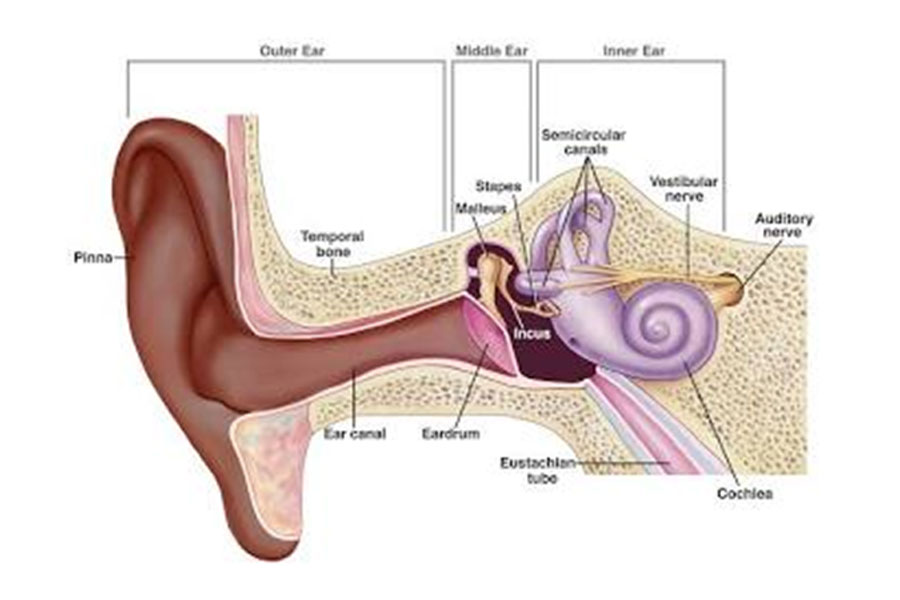
Protecting your auditory system when living with diabetes requires a targeted approach to safeguarding the stria vascularis, which is the delicate, highly vascular network in the inner ear responsible for feeding your cochlea. Since the damaged hair cells inside the inner ear can’t regenerate, prevention helps to minimize ongoing microvascular damage, thereby reducing sensory strain, and catch subclinical changes early. Diabetes can cause hearing loss primarily by damaging the high-density network of tiny blood vessels and nerves in the inner ear. Because the ear relies on continuous, high-volume blood circulation and delicate electrical signalling, prolonged high blood sugar deprives these auditory structures of oxygen and nutrients.
According to the American Diabetes Association (ADA), adults with diabetes are twice as likely to have hearing loss compared to those without the condition. Furthermore, for the 88 million adults with prediabetes, the rate of hearing loss is 30% higher than in those with normal blood glucose levels. Below is the detail of how the connection exists, what warning signs to watch for, and how to protect your hearing.
How High Blood Sugar Damages Your Hearing
Hearing relies on small, delicate structures inside the inner ear. Understanding how diabetes affects these tissues explains why auditory health is closely linked to your metabolic health: -
- Vascular Damage to the Cochlea: The inner ear contains the cochlea, a snail-shaped organ filled with fluid and lined with thousands of microscopic hair cells. These hair cells translate sound vibrations into electrical signals for the brain. The cochlea relies on a rich supply of tiny blood vessels. Over time, elevated blood glucose levels can damage these small blood vessels, restricting oxygen and essential nutrients.
- Nerve Damage (Auditory Neuropathy): Diabetes causes neuropathy—nerve damage—throughout the body. High blood sugar can damage the auditory nerve, which carries sound signals from the inner ear directly to the brain.
- Permanent Hair Cell Loss: Once the delicate hair cells in the cochlea are damaged by poor circulation or lack of oxygen, they can’t be regenerated. This leads to permanent sensorineural hearing loss or SNHL
Early Warning Signs to Watch For
Because diabetic hearing loss usually develops gradually, it often goes unnoticed. Family members and friends close to the diabetic person are generally the first ones to spot the symptoms. Following are signs
- Asking others to repeat themselves frequency increases over time during conversations.
- Trouble following conversations in a group or with a single-person in a noisy environment like restaurants or family gatherings.
- Speech clarity loss thinking or have feeling that others are always mumbling, or slurring their words around you.
- Turning up the volume, regularly turning up the volume on the TV, radio, or phone past comfortable listening levels for others.
- Difficulty hearing high-pitched sounds, such as women's or children's voices, birds chirping, or high-register music like the doorbell.
- Ringing or buzzing in the ears, with increased frequency due to tinnitus.
- Auditory fatigue, constantly feeling unusually drained or exhausted after social gatherings due to increased cognitive effort to decode speech.
How to Protect Your Ears and Preserve Your Hearing
While sensorineural hearing loss can’t be reversed, proactive steps can slow its progression and improve quality of life.
1. Maintain Blood Sugar Targets
Keeping HbA1c levels within your target range reduces the risk of vascular and neural damage throughout your body, including inside your inner ear.
2. Schedule Annual Hearing Screenings
Just as routine diabetic eye exams monitor retinal health, annual audiometric/audiogram evaluations check inner ear function. Establishing a baseline early makes it easier to catch subtle changes.
3. Avoid Loud Environments and Excessive Noise
Tissues damaged by high blood sugar are more vulnerable to noise-induced damage. Always make it a point to wear ear protection (earplugs or earmuffs) when working with loud machinery or attending noisy events.
4. Practice "Double Defence" Against Noise Exposure
As diabetic microangiopathy leaves inner ear cells chronically under-oxygenated, they increasingly become much more sensitive to loud sound damages than those of a non-diabetic individual. You need to do the following: -
- Lower Decibel Threshold: Limit exposure to sounds above 80 dB (e.g., lawnmowers, loud traffic, gym classes).
- Use Passive/Active Protection: Keep high-fidelity earplugs or custom-molded hearing protection handy for concerts, sporting events, or power tool use.
- Follow 60/60 Rule for Headphones: Listen to personal audio at no more than 60% of maximum volume for no longer than 60 minutes at a stretch.
5. Consider Hearing Aids Early
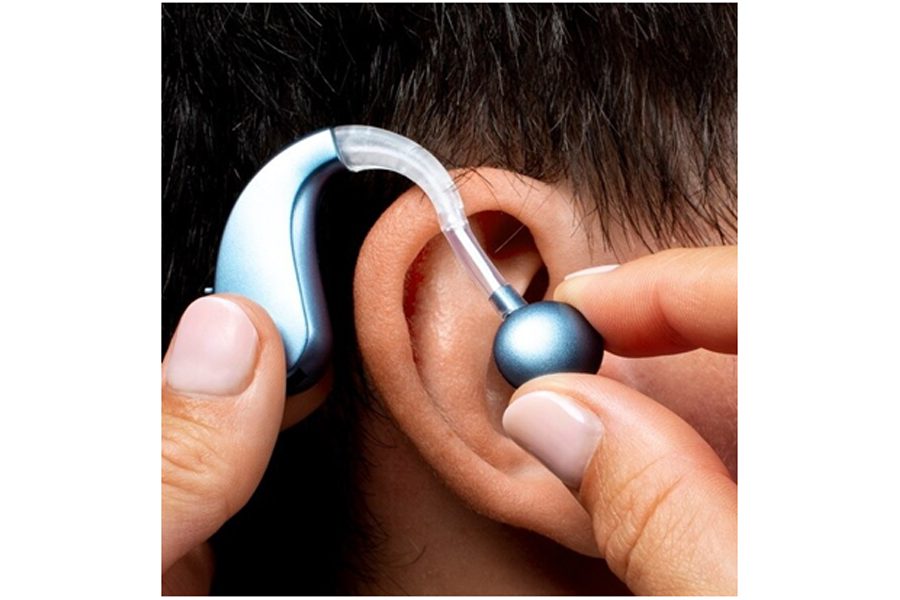
If a hearing test reveals damage, modern hearing aids can help amplify sound, reduce cognitive strain, and keep you engaged in social settings.
6. When to See an Audiologist
If you or a loved one notice changes in hearing clarity, schedule a consultation with an audiologist or an Ear, Nose, and Throat (ENT) specialist. Request your audiologist for a DPOAE test. The test specifically evaluates outer hair cell function in the high-frequency range (up to 8,000–10,000 Hz) and catches subclinical damages long before traditional speech frequencies drop. Remember, early intervention helps maintain clear communication, and prevents the social isolation often linked with untreated hearing loss.
Audit Ototoxic Medications with Your Doctor
Some common medications, generally termed as ototoxic, can cause harm to your inner ear. When combined with diabetic nerve or microvascular vulnerability, damaging effects of these medicines are magnified several times.
| Category | Common Examples | Precaution for Diabetics |
| NSAIDs | High-dose Aspirin, Ibuprofen, Naproxen | Use lowest effective dose; avoid long-term unmonitored use. |
| Loop Diuretics | Furosemide, Bumetanide | Often prescribed for kidney or heart issues; monitor hearing if dosage increases. |
| Aminoglycoside Antibiotics | Gentamicin, Tobramycin | Discuss non-ototoxic alternatives with your prescribing physician when treating severe infections. |
It is also important to understand that hearing loss due to age and due to diabetes are 2 separate things; and the causes are amplified if hearing loss due to age is accompanied with diabetes.
Key Differences: - Diabetic vs. Age-Related Hearing Loss
| Feature | Diabetic Hearing Loss | Presbycusis (Age-Related) |
| Primary Cause | Microvascular & neural damage from high glucose | Degeneration of ear structures over time |
| Onset Age | Often occurs earlier (40s–60s) | Typically begins after age 65+ years |
| Progression Speed | Accelerated by poor glycemic control | Gradual, steady decline over decades |
| Underlying Pattern | Frequently accompanied by tinnitus & balance issues | Standard high-frequency loss |
AudiZone Speech & Hearing Clinic with its pan India presence through 16 branches and a team of over 100 highly qualified audiologists has till date successfully treated over 1 lakhs patient’s including kids and adults for hearing and speech related issues. AudiZone provides various types of branded hearing aids such as Signia, Phonak, Widex, ReSound, Starkey, and Oticon to patients based on their preference and requirement.