Tinnitus, is often described as a ringing, buzzing, hissing, or whistling sound in the ears, which is a common experience, affecting millions of people worldwide. While it is rarely a sign of a serious underlying medical condition, it can significantly impact the quality of life, sleep, and concentration level of a person.
What Exactly is Tinnitus?
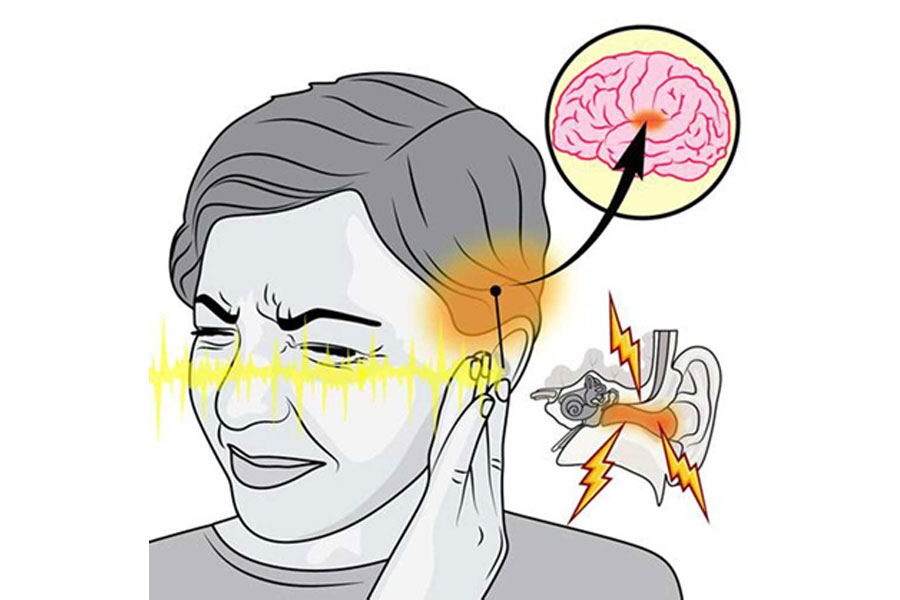
Tinnitus is not a disease by itself; rather, it is a symptom of an underlying condition. It occurs when the auditory system (the ear, the auditory nerve, or the parts of the brain that process sound) malfunctions, causing you to hear a sound that has no external source.
- Subjective Tinnitus: The most common form. Only you can hear the noise. It is often linked to issues in the outer, middle, or inner ear, or with the auditory nerves.
- Objective Tinnitus: Rare. A doctor can hear the sound when they examine you. This is often caused by blood vessel problems, muscle contractions, or middle ear bone conditions.
Common Causes and Triggers
Tinnitus is most commonly caused by damage to the hearing and auditory system of a person; including the nerve which transfers sound from ear to the brain. Tinnitus can occur due to variety of factors, ranging from temporary lifestyle issues to long-term health conditions: -
- Noise-Induced Hearing Loss: Exposure to loud noises (in concerts, construction sites, personal music players at high volumes) can damage the tiny sensory hair cells in the cochlea, leading to permanent tinnitus.
- Earwax Blockage: An accumulation of earwax can irritate the eardrum or create pressure, resulting in ringing.
- Age-Related Hearing Loss (Presbycusis): As we age, the nerve fibres in the ear can deteriorate, often accompanied by tinnitus.
- Ear Bone Changes: Stiffening of the bones in the middle ear (otosclerosis) can also cause tinnitus.
- Medications: Some drugs (certain antibiotics, high doses of aspirin, diuretics, or chemotherapy drugs) can result in tinnitus as a side effect.
- TMJ Disorders: Problems with the temporomandibular joint (where the jawbone meets the skull) can lead to tinnitus.
- Circulatory Issues: Conditions like high blood pressure or atherosclerosis can affect blood flow, sometimes resulting in "pulsatile" tinnitus, where you hear a rhythmic thumping or beating.
Management Strategies: Finding Relief from Tinnitus
Fact is more than 90% of people living with Tinnitus problem, whooshing/ringing/buzzing is directly attributed to a progressive and degenerative loss of nerves connecting ear to the brain, basically ‘hearing loss’. Although, there is no specific "cure" for tinnitus that works for everyone, but there are highly effective ways to manage the symptoms and reduce their impact:
1. Sound Therapy
In this therapy, the goal is to provide background noise to "mask" the ringing, making it less noticeable.
- White Noise Machines: Use static, rain, or ocean sounds to provide a consistent backdrop.
- Apps and Devices: Many apps offer customizable soundscapes (e.g., crickets, pink noise, or nature sounds) to use while sleeping or working.
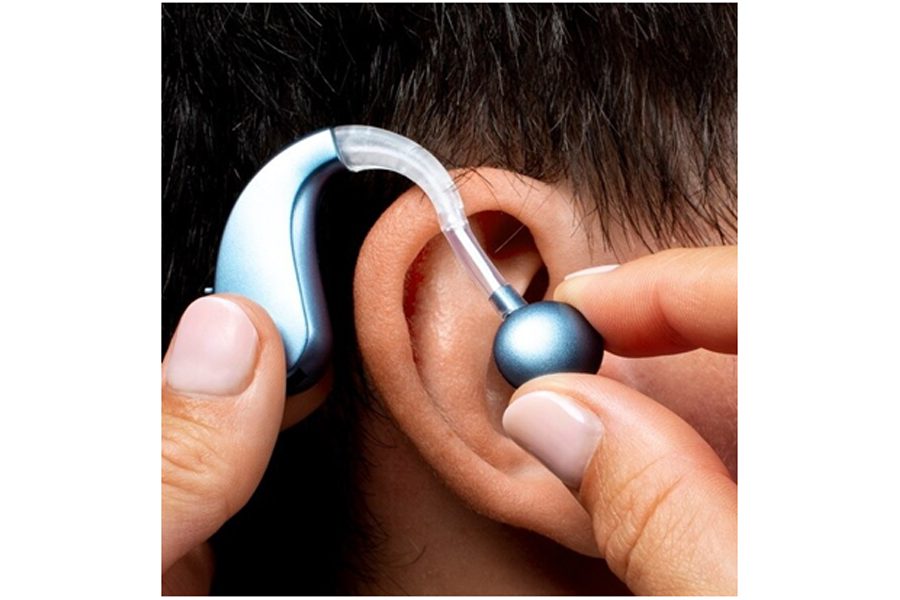
- Hearing Aids: : For those with hearing loss, hearing aids can amplify external sounds, which often naturally masks the tinnitus.
2. Cognitive Behavioral Therapy (CBT)
Cognitive Behavioral Therapy or CBT is one of the most effective psychological approaches used to treat tinnitus. This therapy does not remove the sound, instead changes how your brain reacts to it. It helps reduce the level of stress, anxiety, and frustration associated with tinnitus, breaking the cycle of constant negative focus.
3. Lifestyle Adjustments
The best way to tackle tinnitus, is to make lifestyle adjustments, and make it part of daily routine.
- Protect Your Hearing: Use earplugs in loud environments.
- Manage Stress: Stress is a known intensifier of tinnitus. Use techniques like mindfulness, yoga, or deep-breathing exercises to reduce stress levels.
- Limit Stimulants: For some people use of caffeine, nicotine, or alcohol can make their tinnitus temporarily louder, so it’s better to cut back on the intake of these.
When to See a Doctor?
Note that tinnitus is a precursor of what’s can happen due to the damaged nerve, and early treatment plays a crucial role in slowing down the symptoms of tinnitus. While in most cases the tinnitus is benign, you should schedule an appointment with a healthcare professional (specifically an Otolaryngologist or ENT specialist) if:
- The tinnitus is sudden or unilateral: If it only occurs in one ear.
- It is pulsatile: If the ringing matches your heartbeat.
- It is accompanied by other symptoms: Such as dizziness (vertigo), sudden hearing loss, or pain.
- It impacts your daily life: If it prevents you from sleeping or causes significant distress.
AudiZone Speech & Hearing Clinic with its pan India presence through 15 branches and a team of over 100 highly qualified audiologists has till date successfully treated over 1 lakhs patient’s including kids and adults for hearing and speech related issues. AudiZone provides various types of branded hearing aids such as Signia, Phonak, Widex, ReSound, Starkey, and Oticon to patients based on their preference and requirement.