What Is SNHL That Caused Hearing Loss To Bollywood Singer Alka Yagnik

Legendary Bollywood singer Alka Yagnik who ruled the music charts since 1980s recently shocked everyone across India when she publicly disclosed her diagnosis of Sensorineural Hearing Loss or SNHL caused by a viral infection on June 17, 2024, via an emotional post on her Instagram account. She said that she was struck by this condition suddenly "a few weeks ago" when immediately after stepping off a flight she realized she couldn't hear anything. Since then, Alka Yagnik who is largely considered the true heiress to music queen Lata Mangeshkar has largely stepped away from the public eye to focus on her health. She also cautioned her fans and younger music colleagues about the long-term dangers of regular exposure to very loud music and high headphone volumes, which can damage inner ear.
Initially she may have thought she was just experiencing a stubborn case of airplane ear. However, the actual medical diagnosis of her hearing loss was entirely different. Doctors diagnosed the sudden onset of hearing loss as the result of a viral attack or infection that affected her inner ear. Neither Alka Yagnik nor her doctors publicly revealed the specific virus that caused her infection.
As inner ear also houses the vestibular system (body's balance center), it heavily impacted her physical mobility and balance (as seen during the award ceremony at Rashtrapati Bhavan). In June 2026, she made a rare public appearance at the Rashtrapati Bhavan to receive the Padma Bhushan, India's third-highest civilian honour. Sensorineural Hearing Loss (SNHL) that affected Alka Yagnik; is actually the most common type of permanent hearing loss, affecting millions of people worldwide.
What is Sensorineural Hearing Loss/SNHL?
Sound waves travel through your ear canal and vibrate your eardrum. In a healthy ear, these vibrations move into the inner ear (the cochlea), which is lined with thousands of microscopic, delicate hair cells. These hair cells convert these vibrations into electrical signals and send them along the auditory nerve to the brain. SNHL occurs when there is serious damage to either these fragile hair cells in the inner ear or the auditory nerve itself.
Once these hair cells or nerve pathways are damaged, they can’t easily repair themselves, which means SNHL is usually permanent. It reduces both the volume of sound and the clarity of speech.
What Causes SNHL?
SNHL can develop gradually over decades, or it can strike in an instant. The primary causes for SNHL are acquired (developed over time or occurs suddenly) and congenital (present from birth).
- Aging (Presbycusis): - Just like our eyesight naturally weakens as we age, hair cells in our inner ear naturally degrade over time. It typically affects both ears equally and happens gradually.
- Loud Noise Exposure (Acoustic Trauma): - Prolonged exposure to loud noises—like working in construction, frequenting loud concerts, or blasting music through headphones; crushes and destroys hair cells. A single loud blast (like an explosion) can also cause instant, permanent damage.
- Viral and Bacterial Infections: - As in Alka Yagnik's case, certain viruses (like shingles, measles, mumps, or flu viruses) physically enter the fluid-filled cochlea (inner ear) or auditory nerve, causing sudden and rapid hearing loss as it destroys the delicate auditory hair cells.
- Viral and Bacterial Infections: - As in Alka Yagnik's case, certain viruses (like shingles, measles, mumps, or flu viruses) physically enter the fluid-filled cochlea (inner ear) or auditory nerve, causing sudden and rapid hearing loss as it destroys the delicate auditory hair cells.
- Autoimmune Disease: - Conditions like Autoimmune Inner Ear Disease (AIED) lead the body's immune system to mistakenly attack the cells of inner ear.
- Head or Acoustic Trauma: - A severe concussion, skull fracture, or sudden change in air pressure (barotrauma) can damage delicate structures of the inner ear.
- Ototoxic Medications: - Certain medications like aspirin, specific heavy antibiotics (like gentamicin), and certain chemotherapy drugs are toxic for the human ear.
- Inflammatory Nerve Swelling (Neuritis): - The virus infects the cranial nerve responsible for hearing and balance. As your body tries to fight it, the nerve swells up. As the nerve runs through a tight, narrow bony tunnel in the skull, swelling cuts off its own blood supply, essentially "choking" the nerve.
- Genetic Factors: - Genetic mutations inherited from family can cause the inner ear to develop abnormally.
- Maternal Infections: - If a mother contracts infections like rubella (German measles), cytomegalovirus (CMV), or herpes during pregnancy, it can affect unborn baby's hearing
- Lack of Oxygen: - Complications during birth resulting in a lack of oxygen (hypoxia) can damage a newborn's sensitive auditory structures.
1. Acquired Causes (Happens Later in Life)
2. Congenital Causes (Present at Birth)
What are the Signs of SNHL?
As SNHL develops slowly, the brain often adapts, making it harder to notice. Here are clear warning signs to watch out for: -
- Muffled Speech: - You can hear that people are talking, but it sounds like they are mumbling. Consonants (like s, f, th, t) become incredibly difficult to distinguish.
- Difficulty in Crowded Places: - Engaging in long conversation in noisy restaurants, family gatherings, or public spaces becomes exhausting and frustrating.
- Turning Up the Volume: - You consistently push TV or phone volume higher than what is comfortable for others.
- Turning Up the Volume: - You consistently push TV or phone volume higher than what is comfortable for others.
- Tinnitus: - You hear a persistent ringing, buzzing, roaring, or hissing sound in one or both ears. This is often the brain trying to "fill in the blanks" for frequencies it can no longer hear.
- Dizziness or Vertigo: - As inner ear also houses your vestibular system (the body's balance center), its damage can cause severe dizziness, unsteadiness, or spinning sensation.
- Sudden Silence: - In cases of Sudden SNHL, you may experience a rapid drop in hearing, either instantly or over a few days; often accompanied by a feeling of fullness or "pop" in the ear.
Red Flag Alert: - Sudden hearing loss in one or both ears is a medical emergency. If you experience this, consult an Ear, Nose, and Throat (ENT) specialist immediately. If treated with steroids within the first few days, your hearing can be saved or recovered.
Can SNHL Be Prevented?
While you can’t stop the natural aging process or control your genetics, most SNHL cases caused by noise and lifestyle factors are entirely preventable.
- Follow 60/60 Rule: - When listening to music, podcasts, or videos through headphones, keep the volume below 60% of the maximum, and limit your listening time to 60 minutes at a stretch.
- Wear Hearing Protection: - If you work in a loud environment, use power tools, or attend noisy concerts and sporting events, always wear high-quality earplugs or earmuffs.
- Use Noise-Cancelling Headphones: - These headphones allow you to listen to your media clearly without needing to crank up the volume to drown out background traffic or ambient noise.
- Get Vaccinated: - Keeping up to date with vaccines for diseases like measles, mumps, rubella, and shingles cuts risk of viral-induced hearing loss.
- Check Your Prescriptions: - Always ask your doctor if a newly prescribed medicine carries risk of ototoxicity (ear damage), ask for safer alternatives if you have hearing issues.
- Check Your Prescriptions: - Always ask your doctor if a newly prescribed medicine carries risk of ototoxicity (ear damage), ask for safer alternatives if you have hearing issues.
- Get Regular Hearing Checks: - Just like annual eye exam, getting a baseline audiogram (hearing test) helps catch hearing degradation before it impacts your daily life.
Types of Viruses that Cause SNHL
In medical science terms, Sensorineural Hearing Loss or SNHL is triggered by virus. ENT specialists and audiologists typically point to following common suspects:
- Reactivated Neurotropic Viruses: - The most common cause is the reactivation of a virus already living dormant in the body’s nerve tissues; like Varicella-zoster virus that causes chickenpox, shingles or Herpes simplex virus (HSV) that sleep in the nerve pathways for decades. If it wakes up often triggered by stress, fatigue, or a weakened immune system; it can travel straight down the auditory nerve, causing intense inflammation and sudden hearing loss.
- Systemic Respiratory or Cold Viruses: - Everyday viruses like common cold, influenza (flu), or even COVID-19 can cross over into bloodstream and target your inner ear.
- Classic "Ear-Targeting" Viruses: - Viruses that cause Mumps, Measles, or Cytomegalovirus (CMV) can causing severe inner ear damage and nerve inflammation.
Your hearing is fragile, and once sensorineural damage is done, it is incredibly difficult to reverse. However, staying aware of the early warning signs and practicing safe listening habits, can help protect your inner ears. Take care of your ear, and whenever you feel any discomfort consult an audiologist.
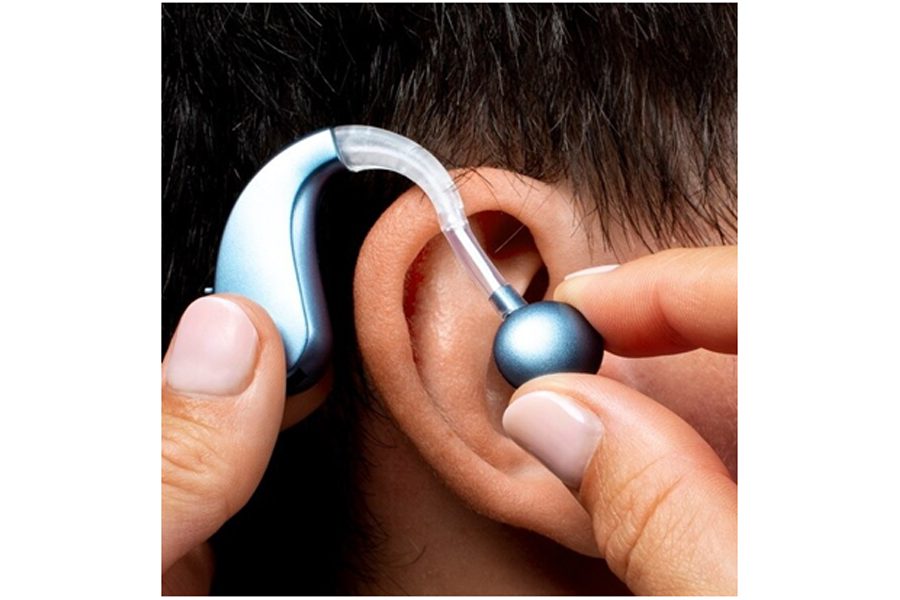
AudiZone Speech & Hearing Clinic with its pan India presence through 16 branches and a team of over 100 highly qualified audiologists has till date successfully treated over 1 lakhs patient’s including kids and adults for hearing and speech related issues. AudiZone provides various types of branded hearing aids such as Signia, Phonak, Widex, ReSound, Starkey, and Oticon to patients based on their preference and requirement.