Today communication is central to personal and professional life, the ability to hear clearly is invaluable. Yet millions globally struggle with hearing loss, balance disorders, or other auditory challenges. This is where audiologists step in. They are trained healthcare professionals who specialize in the science of hearing and balance, dedicated to improving quality of life through diagnosis, treatment, and rehabilitation.
Definition of an Audiologist
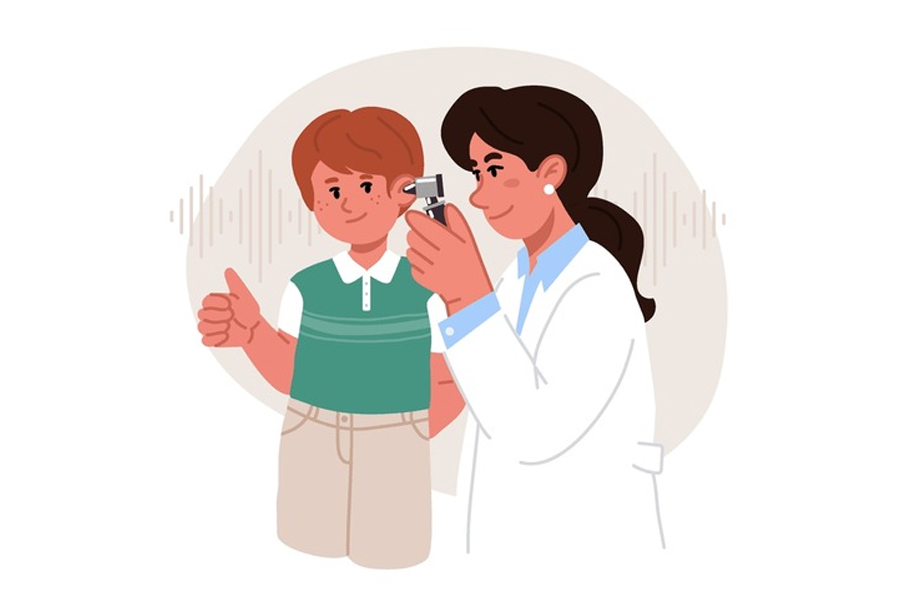
An audiologist is a licensed healthcare professional who evaluates, diagnoses, and treats hearing and balance disorders. Unlike general physicians, audiologists focus exclusively on the auditory and vestibular systems—the parts of the body responsible for hearing and maintaining balance. Their expertise spans across all age groups, from newborns undergoing hearing screenings to older adults experiencing age-related hearing decline.
Audiologists typically hold a Doctor of Audiology (Au.D.) degree or equivalent advanced training. Their education combines medical science, acoustics, psychology, and communication studies thatallows them to address physiological and emotional aspects of hearing loss.
Responsibilities of an Audiologist
The responsibilities of audiologist include:-
Hearing Assessments
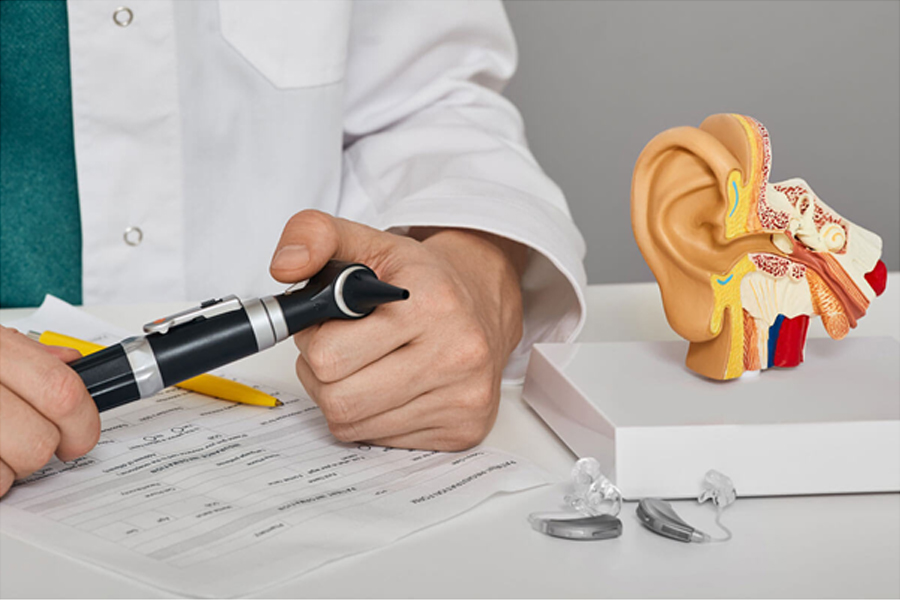
Audiologists conduct comprehensive hearing tests to determine the type and degree of hearing loss. These assessments may involve pure-tone audiometry, speech recognition tests, and tympanometry to evaluate middle ear function.Diagnosis of Hearing Disorders
They identify conditions such as sensorineural hearing loss, i.e. damage to the inner ear or auditory nerve, conductive hearing loss i.e. issues in the outer or middle ear, or mixed hearing loss. Accurate diagnosis is crucial for effective treatment.Hearing Aid Fitting and Management
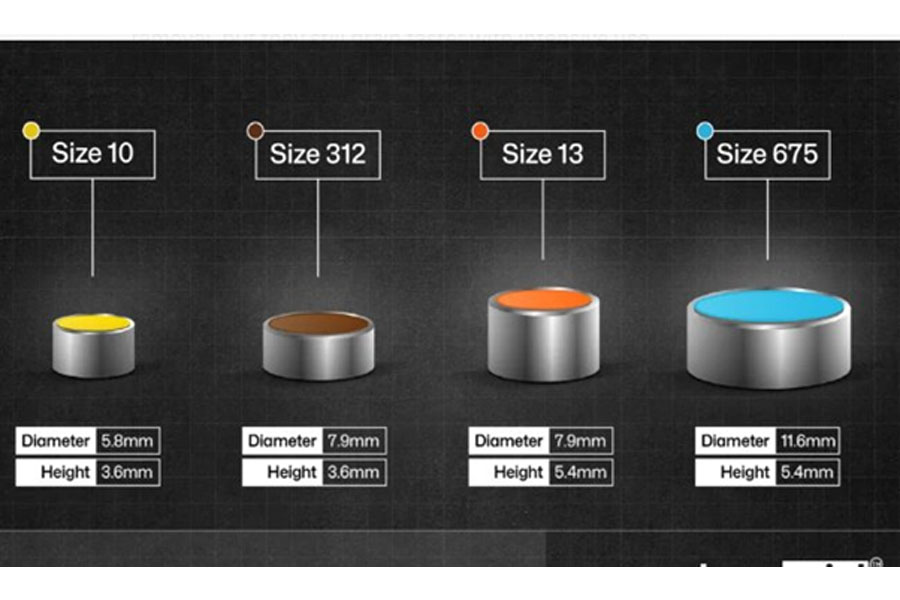
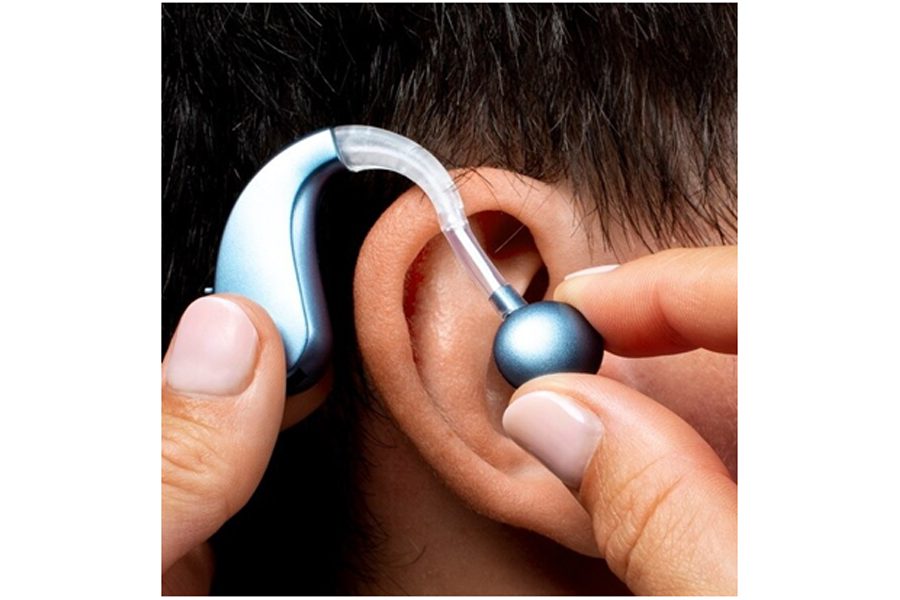
One of the most recognized roles of audiologists is prescribing and fitting hearing aids. They ensure devices are tailored to the patient’s specific hearing profile, lifestyle, and comfort. Audiologists also provide ongoing support, adjustments, and counselling to maximize benefit.Balance and Vestibular Testing
Beyond hearing, audiologists evaluate balance disorders caused by inner ear dysfunction. Tests such as VideoNystagmoGraphy (VNG) or ElectroNystagmoGraphy (ENG) help identify dizziness, vertigo, or unsteadiness.Tinnitus Management
Many individuals suffer from Tinnitus, a persistent ringing or buzzing felt in the ears. Audiologists offer therapies, sound masking devices, and coping strategies to reduce its impact.Rehabilitation and Counselling
Audiologists guide patients through auditory rehabilitation, teaching strategies to improve communication. They also provide counselling to patients and families, addressing the emotional and social challenges of hearing loss.Newborn Hearing Screening
Early detection is vital. Audiologists perform screenings on infants to identify congenital hearing issues, ensuring timely intervention that supports language and cognitive development.
Where Audiologists Work
Audiologists get to practice their expertise in:-
Hospitals and Clinics
Working alongside physicians to provide integrated care.Private Practices
Offering personalized hearing aid services and rehabilitation.Schools
Supporting children with hearing difficulties to ensure academic success.Research Institutions
Advancing knowledge in auditory science and technology.Industry
Developing hearing protection programs for workers exposed to loud environments.
Importance of Audiologists in Society
Hearing loss is often called an “invisible disability.” Unlike vision problems, which are easily recognized, hearing difficulties can go unnoticed or misunderstood. Audiologists play a critical role in addressing it. By restoring hearing or teaching coping strategies, they helpsuffers to communicate and reconnect with family, workplaces.
Their work has broader societal implications. Untreated hearing loss in older adults is linked to social isolation, depression, and even cognitive decline. Audiologists help mitigate these risks by ensuring timely intervention.
Skills and Qualities of an Effective Audiologist
Beyond technical expertise, audiologists need to possess:-
Empathyand Patience
Hearing loss can be frustrating; compassionate care builds trust.Strong Communication Skills
Explaining complex medical information in simple terms.Problem Solving Ability
Tailoring solutions to each patient’s unique needs.Technical Proficiency
Staying updated with rapidly evolving hearing aid and diagnostic technologies.
Future of Audiology
The field of audiology continues to evolve with advancements in technology. Modern hearing aids are now equipped with Bluetooth connectivity, artificial intelligence, and noise reduction algorithms. Cochlear implants offer life-changing solutions for profound hearing loss. Tele-audiology, i.e. remote hearing care has expanded access to patients in rural or underserved areas. As awareness of hearing health grows, audiologists are expected to individuals not only hear better but live better.
The audiologist is different from ENT/Otolaryngologist, who is a medical doctor who treats diseases of the ear, nose, and throat, perform surgeries, and prescribe medication. An audiologist is far more than a hearing aid specialist. They are healthcare professionals dedicated to diagnosing, treating, and supporting individuals with hearing and balance disorders. Their work restores communication, enhances safety, and improves emotional well-being. In a world where sound connects us to each other, audiologists ensure that no one is left unheard.
AudiZone Speech & Hearing Clinic with its pan India presence with 15 branches and a team of over 100 highly qualified audiologists who have till date successfully treated over 1 lakh patients including kids and adults.