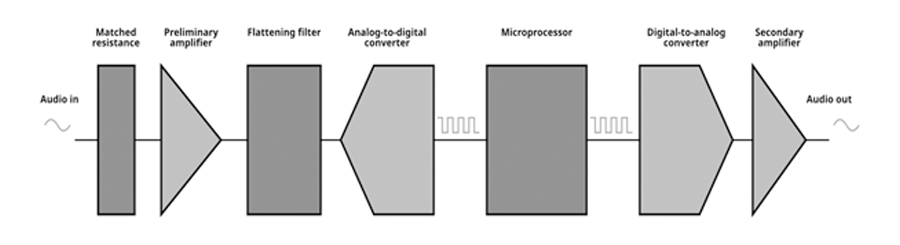
A digital hearing aid is a cutting-edge device that is engineered to amplify and process sound for individuals suffering from hearing loss. By using digital processing, it thoroughly analyzes and fine-tunes incoming sounds, helping in a personalized and authentic auditory encounter.Digital hearing aids use a sophisticated process to convert sound into digital signal. This innovative technology empowers individuals with hearing loss to regain hearing ability and engage in conversation effectively.
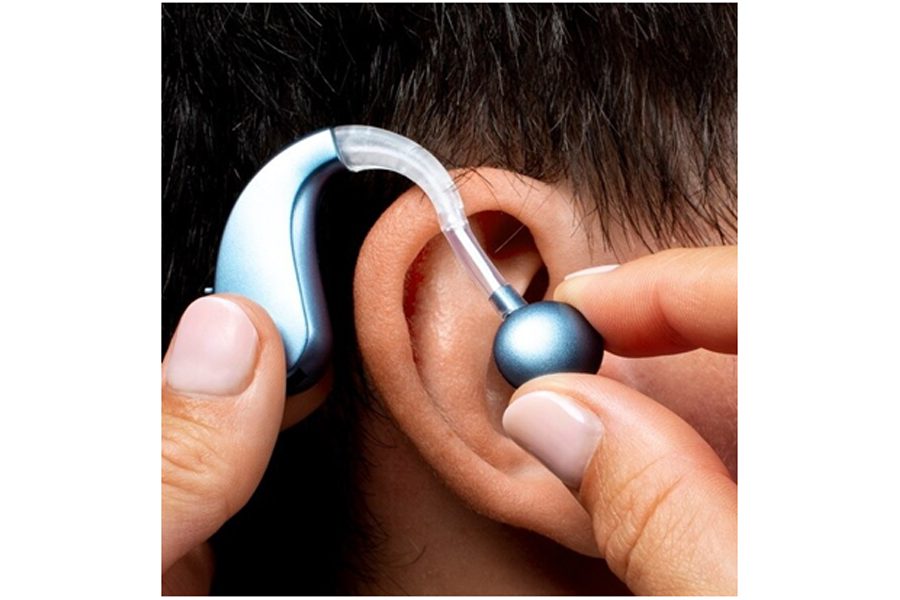
One of the most remarkable features of digital hearing aids is their ability to be programmed as per individual hearing profiles. This ensures that users receive optimal sound amplification customizedto their specific needs. Also, these devices can adapt to various listening environments, making them incredibly versatile. Whether in a crowded restaurant or a serene park, quiet room, crowded market, or an outdoor setting;digital hearing aids help users to effortlessly adjust to get best possible listening experience.Digital hearing aids can be customizedfor diverse array of hearing loss, and are contingent to individual's distinctive hearing profile and requirements.The hearing aid professional programs the hearing aid with an external computer temporarily connected to the device and can adjust all processing characteristics as per individual need.
Selecting digital hearing aid depends on severity of hearing loss, personal lifestyle, financial constraints, and comfort of use. An audiologist is best suited tohelp navigate users through the selection process and provide recommendations for models that best suit their specific needs.Many digital hearing aids are equipped with automatic program settings that allow them to adapt accordingto changes in surroundings and adjust their settings accordingly.Many contemporary digital hearing aids are equipped with wireless connectivity that enable users to effortlessly connect hearing aids to smartphones, TV, and other devices using Bluetooth technology. It allows users to stream audio directly to hearing aids, boosting their listening experience.
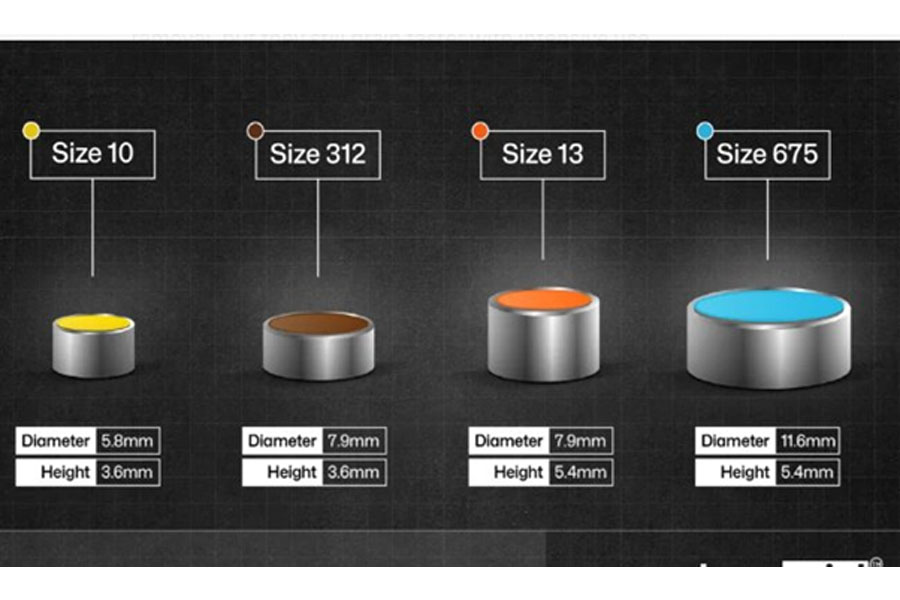
The lifespan of digital hearing aid batteries can vary depending on numerous factors, including hearing aidmodel, battery size, and usage. Usually, smaller hearing aids come with smaller batteries with shorter lifespans, whereas larger hearing aidmodels have batteries that last longer. On an average, hearing aid batteries can provide uncluttered hearing from a few days to two weeks. As such, regular maintenance and adjustments help boost optimal performance of digital hearing aids. It is best to visit the audiologist every 3 to 6 months for a complete check-up and thorough cleaning of hearing aids. During these visits, it is best for user to consult/request the audiologist to make any necessary adjustments on the digital hearing aids based on userhearing requirements. This ensures digital hearing aids continue to work effectively.Note that price of digital hearing aids depend upon the brand,model and features.
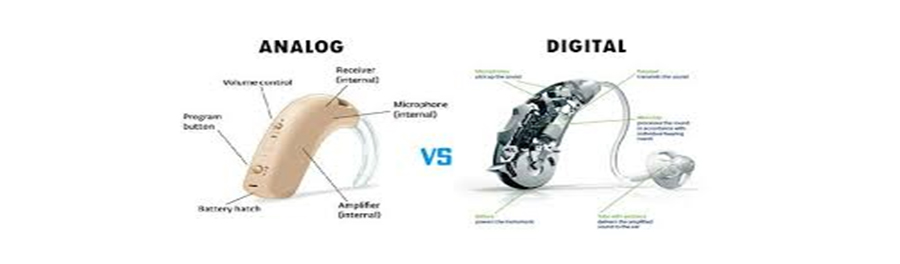
Fully digital circuits allow for implementation of many additional features not possible with analog circuit- based hearing aids. Fully digital hearing aids can be programmed with multiple programs as per wearer needs, or can operate automatically and adaptively. These programs help cut acoustic feedback (whistling), cut background noise, sense and accommodate different listening environments be it loud vs. soft or speech vs. music or quiet vs. noisy, and more.Fully digital hearing aids have additional components such as multiple microphones that help toboost spatial hearing.Fully digital hearing aids also help transpose frequencies where it helps shift high frequencies that a wearer may not hear to lower frequency regions where hearing may be better.
Fully digital circuits also allows’ control over wireless transmission capability for both audio and control circuitry. Control signals in hearing aid on one ear can be sent wirelessly to control circuitry in hearing aid on the opposite ear.This ensures that the audio signals in both ears are matched directly.The audio signals contain intentional differences that mimic differences in normal binaural hearing to preserve spatial hearing ability. Audio signals can be sent wirelessly to and from external devices via a separate module, which is mostly like a pendant like small device worn,and is commonly called a "streamer", that allows for wireless connection to other external devices. This allows for optimum use of mobile phones, remote microphones, personal music players, and other devices. In addition tospeech recognition and internet capability in mobile phone, digital hearing aids allowusers to have optimal communication ability in more situations than analog hearing aids. These include not just voice activated dialing,voice activated software applications either on phone or on internet, but also receiving audio signals from database on phone or on internet or audio signals from TV or GPS. Digital hearing aids are available with hospitals and hearing aid clinics including AudiZone Hearing & Speech Clinic.