If you are suffering from hearing loss, schedule an appointment with your ENT specialist who will recommend you to hearing aidspecialist/audiologistwho specializes in diagnosing and treating hearing loss, balance disorders. They establish the extent of your hearing loss and determine which hearing aid could help youfor:-
- Low-frequency hearing loss.
- Sensorineural hearing loss (caused by damage to inner ear).
- Meniere’s disease (swelling and pressure in inner ear causes balance or hearing issues).
- High-frequency hearing loss.
- Profound hearing loss
- Mild to moderate hearing loss.
- Severe hearing loss.
- Tinnitus (ringing in ear).
- People with limited manual dexterity.
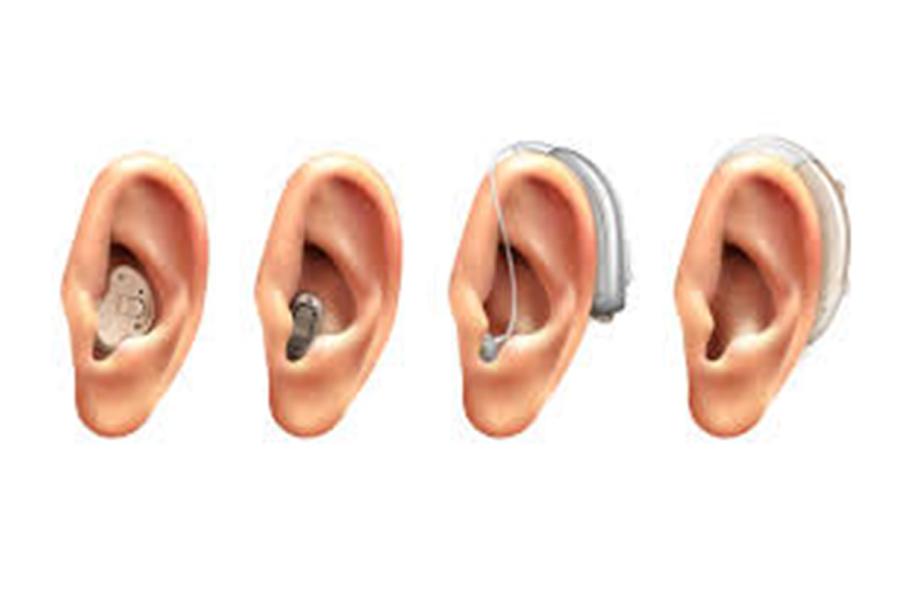
There are several types of hearing aids, andeach hearing aid is designed for different levels of hearing loss, comfort, and lifestyle needs. The 5 main types of hearing aid are:-
- Behind-the-Ear (BTE)
- Receiver-in-Canal (RIC)
- In-the-Ear (ITE)
- In-the-Canal (ITC)
Invisible-in-Canal (IIC) and Receiver-In-The-Ear (RITE) are also types of hearing aids.Each hearing aid has its own clear advantages and disadvantages, which can help you decide on which type is the best fit for your hearing loss requirement.
In-The-Canal (ITC) hearing aids
ITC hearing aids sit in the lower portion of the outer ear bowl, making them comfortable and easy to use. Asthey’re slightly larger than IIC and CIC styles, they tend to have a slightly longer battery life and can fit a wider range of hearing losses. Their size also allows them to host additional features such as directional microphones for better understanding in noisy environments and manual controls, like a volume wheel, if desired.
Advantages
- Longer battery life and more features than IIC and CIC styles.
- They are discreet.
Disadvantages
- susceptible to ear wax and moisture damage
- small size can be a problem for connectivity to wireless devices/li>
- more occlusion, which means they can make your ears feel plugged up.
Receiver-In-Canal (RIC)hearing aids
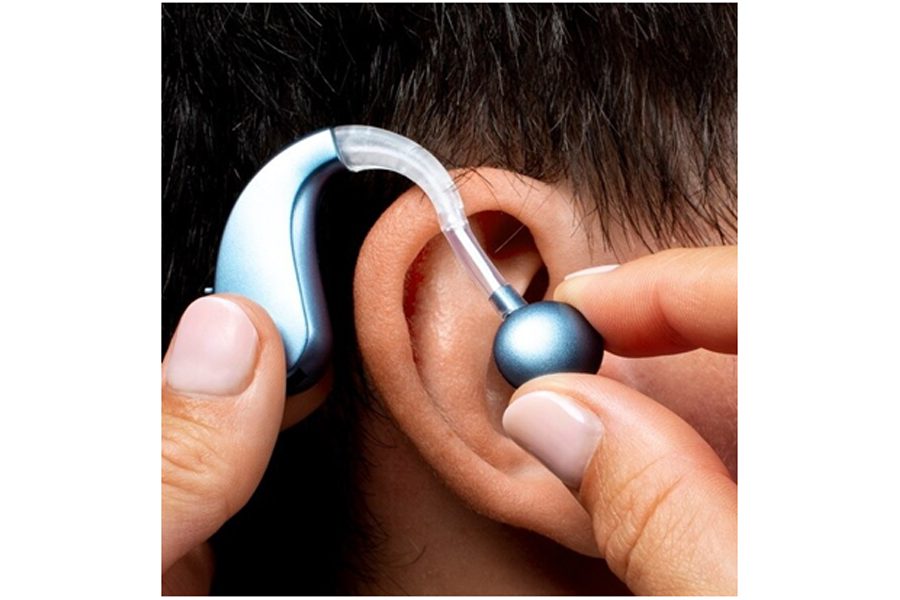
Depending on the manufacturer this type of hearing aidhas the speaker built into an insertable ear dome that goes inside the ear canal, known as an open fit. The microphone and sound processor sit inside a tiny case behind the ear.
Advantages
- These hearing aids often come with rechargeable batteries.
- The speaker can be replaced separately
- The speaker can be replaced separately
- Tele coil options are common with these hearing aids.
- These hearing aids often come with wireless connectivity to devices like phones.
- These hearing aids use advanced technology such as artificial intelligence.
Disadvantages
- The microphone and sound processor that sit behind the ear is visible
- Smaller RITE sizes (known as mini-rites) can be a problem for dexterity
- Speaker, housed inside the ear, is susceptible to moisture and ear wax damage
Behind-the-Ear (BTE)hearing aids
BTE can fit any type of hearing loss, from mild to profound. Available with earmolds, their longer shape follows the contour behind the outer ear and houses more features, controls and battery power than any other style of hearing aid. Commonly used for children these can be reprogrammed as needed and earmold can be replaced as the child grows.
Advantages
- Custom-fit ear mold can be replaced separately
- These hearing aids are less susceptible to moisture damage.
- These hearing aids fit all degrees of hearing loss, including profound hearing loss.
- These hearing aids are usually available with wireless connectivity and advanced technology
Disadvantages
- Potential space limitations for eyeglass wearers and/or people with small ears.
- These hearing aids are not as cosmetically hidden.
- These hearing aids can make wearers feel plugged up, although this is very minor
Completely-In-Canal (CIC)hearing aids
These type of hearing aid’s fit inside the user's ear canal, so they’re even less visible.Also called CIC, these help mild to moderate hearing loss in adults.Because of their smaller size, they use smaller batteries and may be more difficult to handle.
In-the-Ear (ITE) hearing aids
ITE hearing aids are customized to fit directly into the outer part of the ear. They are smaller than BTE hearing aids and contain all the electronic components within the ear-shaped shell.
Advantages
- These can accommodate a larger battery than smaller styles, allowing for longer battery life.
- May include directional microphones or tele coils.
- These are less visible than BTE hearing aid
- These are easy to handle and insert
Disadvantages
- These may be more prone to earwax and moisture damage due to their location.
- These are not suitable for severe to profound hearing loss.
- Some users may find them less comfortable than smaller styles
Selecting a hearing aid
Selecting a hearing aid that is right for your requirement depends on a number of factors, such as:-
- How well you can use your fingers and hands (manual dexterity).
- The size and shape of your ear.
- The severity of your hearing loss (mild, moderate, severe or profound).
- The availability of new hearing aid technologies.
- Your personal preferences.
Key Considerations to Choose Hearing Aid
- Lifestyle: Active individuals may prefer discreet RIC/IIC, while those needing durability may choose BTE.
- Dexterity & vision: Larger aids (BTE, ITE) are easier to handle for older adults
- Degree of hearing loss: Severe cases often require BTE, while mild/moderate can use smaller styles
- Budget: Smaller, custom-made hearing aids (IIC, ITC) tend to be more expensive.
- Features: Bluetooth, rechargeable batteries, and directional microphones are more common in larger models.
Risks & Trade-offs
- Visibility vs. performance: while smaller hearing aids are discreet but theyare often known to sacrifice battery life.
- Maintenance: In-ear styles (ITC, IIC) are prone to earwax and moisture damage.
- Comfort: Deep canal hearing aids may feel intrusive for some users.
- Cost: Custom-made hearing aids like (ITE, ITC, IIC) are pricier and may require frequent servicing.
If you want maximum power and durability, chose BTE. For a balance of discretion and sound quality, RIC is best choice. If invisibility is priority, IIC offers most discreet option but has cost and maintenance issue.
AudiZone Speech & Hearing Clinic with 15 branches across Indiaand over 100 audio logists has treated hearing loss patients including kids and adults providing them with the most suitable hearing aid as needed.