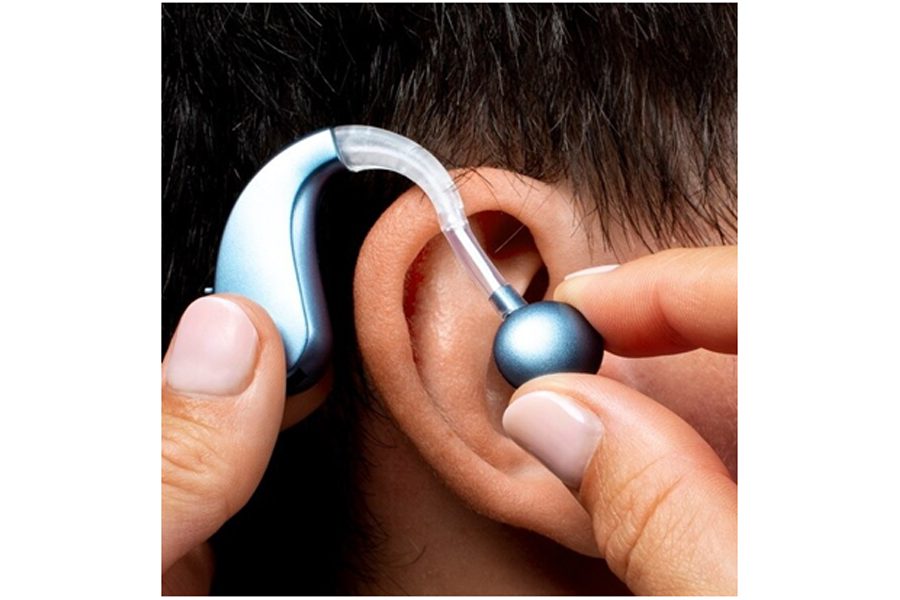
Hearing loss is one of the most common sensory impairments across the world, affecting millions of people of all ages. Hearing loss can be temporary or permanent, mild or profound, and while not always reversible, there are options for modern treatments like hearing aids, cochlear implants, and preventive strategies that can significantly improve quality of life.

Causes of Hearing Loss
Hearing loss can occur at any age due to problems in the outer, middle, or inner ear, or along the auditory nerve. The three main types are conductivehearing loss, sensorineuralhearing loss, and mixed hearing loss.Hearing loss is caused by the following:-
Conductive Causes (outer/middle ear):
- Earwax build up
- Middle ear infections (obits media)
- Fluid from colds or allergies
- Ruptured eardrum
- Abnormal bone growths (otosclerosis)
- Foreign objects in the ear
Sensorineural Causes (inner ear/auditory nerve):
- Aging (presbycusis) – gradual loss of high-frequency sounds
- Long-term exposure to loud noise (factories, concerts, headphones)
- Genetic factors
- Ototoxic medications (certain antibiotics, chemotherapy drugs
- Head trauma
- Diseases like diabetes, stroke, or Meniere’s disease
Mixed Causes
Combination of both, e.g., ear infection plus age-related damage.
Symptoms of Hearing Loss
Symptoms of hearing lossoften develop gradually, making them easy to miss and overlook:-
Symptoms in Adults:-
- Frequently asking people to repeat themselves.
- Difficulty following conversations in noisy places.
- Feeling like others are “mumbling”.
- Needing to turn up TV or phone volume.
- Ringing in the ears (tinnitus).
- Social withdrawal due to listening fatigue.
Symptoms in Children:-
- Delayed speech development.
- Saying “huh?” often.
- Turning up devices excessively.
- Not responding to name or instructions.
Symptoms in Babies:-
- Not startled by loud sounds.
- Not turning towards sources of sound even by 6 months.
- Not seen to be babbling even by age of 1.
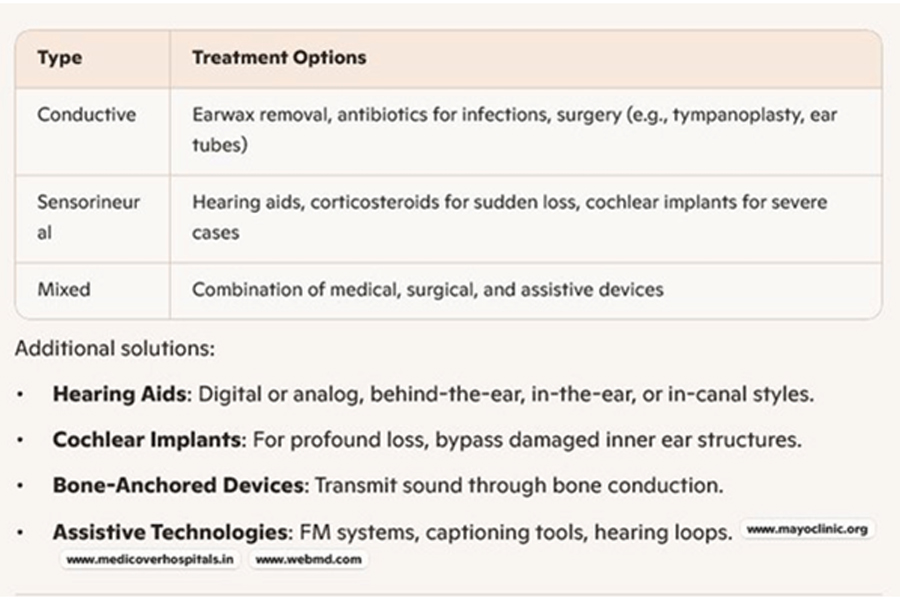
Treatment Options ofHearing Loss
Treatment options of hearing loss,depends on the type and severity of hearing loss:-
Risks of Untreated Hearing Loss
- Social isolation and depression
- Poor academic performance in children
- Increased risk of dementia in older adults
- Reduced work productivity
Hearing Loss Prevention Tips
- Use ear protection in noisy environments (concerts, construction sites).
- Keep headphone volume below 80% for maximum 90 minutes/day.
- Avoid inserting foreign objects like cotton swabs, pins into the ear canal.
- Manage chronic conditions like diabetes and hypertension.
- Schedule regular hearing checkups, especially after crossing the age of 50
Note that hearing loss is preventable in many cases, manageable in most, and treatable with modern medical and technological solutions. Early detection of hearing loss through hearing tests is the key to preserving ways of communication, mental health, and overall quality of life.
Step-By-Step Guide for Early Detection and Self-Care Practices for Hearing Loss
Following is a step-by-step guide that families can follow at homefor preventing hearing loss. These will help people catchhearing loss issues early and also maintain healthy hearing habits.
Routine Listening Checks
• Adults: Pay attention if you often ask people to repeat themselves or struggle in noisy environments.
• Children: Notice if they don’t respond when called or keep turning up the TV volume.
• Babies: Watch for developmental milestones—startle at loud sounds, turning toward voices, babbling by 12 months.
At-Home Hearing Screening
• Use online hearing test apps or tone generators to check for hearing loss and confirm if you can hear different frequencies.
• Try the “whisper test”; in the test, stand behind your child or partner and whisper a simple phrase. Check if they respond, if they don’t note it.
• Compare your ears, by covering one ear at a time to see if the one ear hears well than the other.
Monitor Lifestyle Risks
• Track your headphone use by limiting the volumeto 80% with usage for maximum of 90 minutes daily.
• Avoid prolonged exposure of your ear to loud environments like concerts, and machinery.
• Watch out for ringing in the ears also called tinnitus—it’s often an early warning sign of hearing loss.
Ear Health & Hygiene
• Clean your ears safely: Avoid use of cotton swabs or sharp objects to clean your ear.
• Schedule regular checkups for your children, especially if they experience frequent ear infections.
• Manage your allergies and colds promptly to prevent fluid build up in the middle ear.
Family Self-Care Practices
• Quiet Time: always give your ear the much-needed rest time after noisy activities.
• Healthy Habits: always maintain healthy blood circulation with exercises and manage your chronic conditions like diabetes and hypertension.
• Communication Strategies: Face the person when speaking, reduce any kind of background noise, and use clear speech.
When to Seek Professional Help
• You experience a sudden bout of hearing loss in one or both ears.
• You experience persistent ringing, dizziness, or ear pain.
• You see delayed speech or learning difficulties in children.
• You experience difficulty in one or both ear following conversations even with quiet surroundings.
Key Takeaway
If hearing issues last more than two weeks, consult an audiologist or ENT specialist. Early detection is about awareness and observation. Families can spot subtle changes in hearing by doing simple at-home checks, lifestyle monitoring, and proactive ear care. Combined with professional screening, these steps ensure a timely treatment of ear problems resulting in a better long-term outcome.