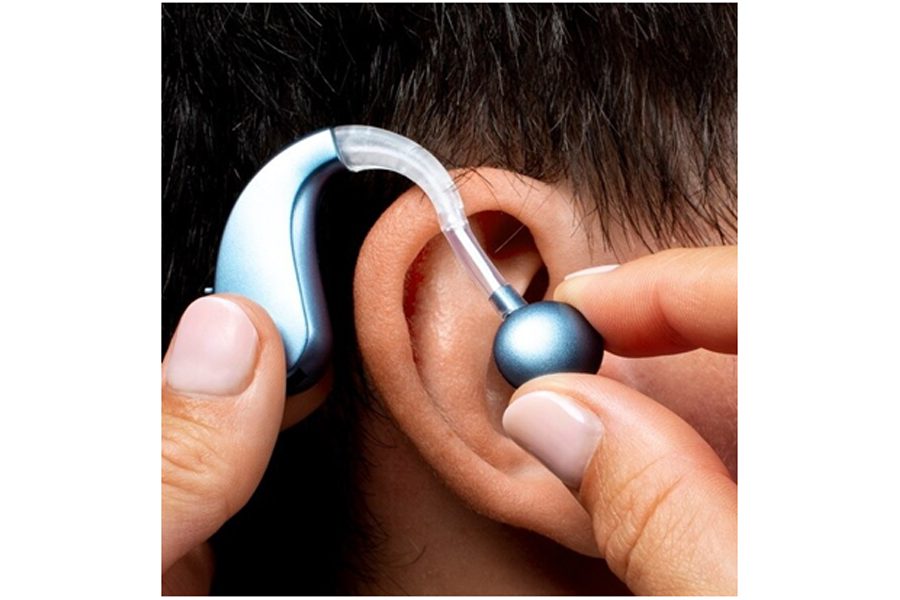
Is your hearing aid battery draining too fast? Here are some DIY or Do-It-Yourself ways to make it last long. Hearing aids are life-changing devices that help millions suffering from hearing loss to reconnect with the world around them. But if, your hearing aid battery draining too fast; it becomes an obstacle, cutting off your conversations, enjoyments mid-way. Although it affects many, there are some easy DIY or Do-It-Yourself ways that can significantly extend your hearing aid battery life.
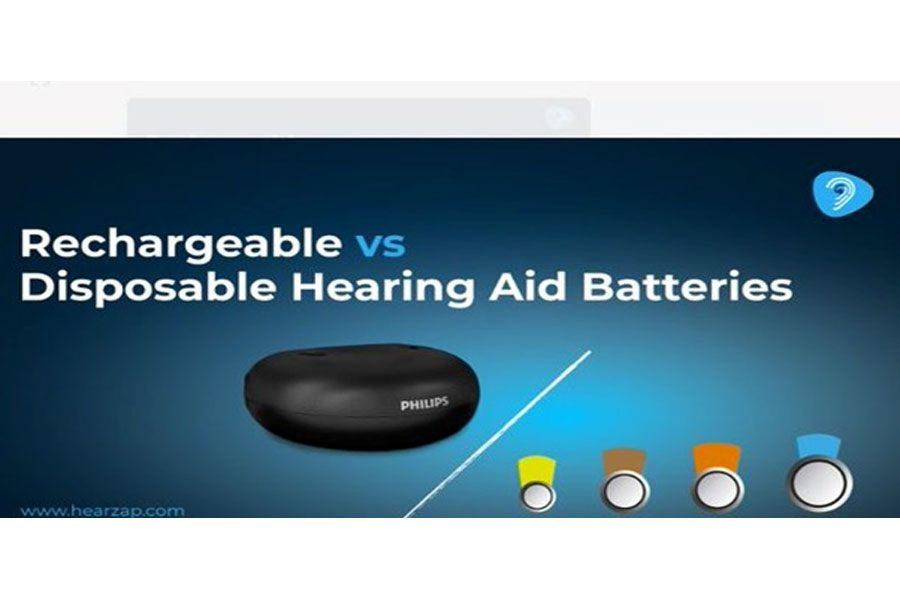
Whether you use disposable zinc-air batteries or rechargeable batteries, these DIY strategies can help you get more reliable performance out of these hearing aid batteries. Rechargeable hearing aid batteries are convenient but can still face drain issues from heavy usage.
Understanding Hearing Aid Batteries: Types and Expected Lifespan
Most hearing aids use one of two battery systems:-
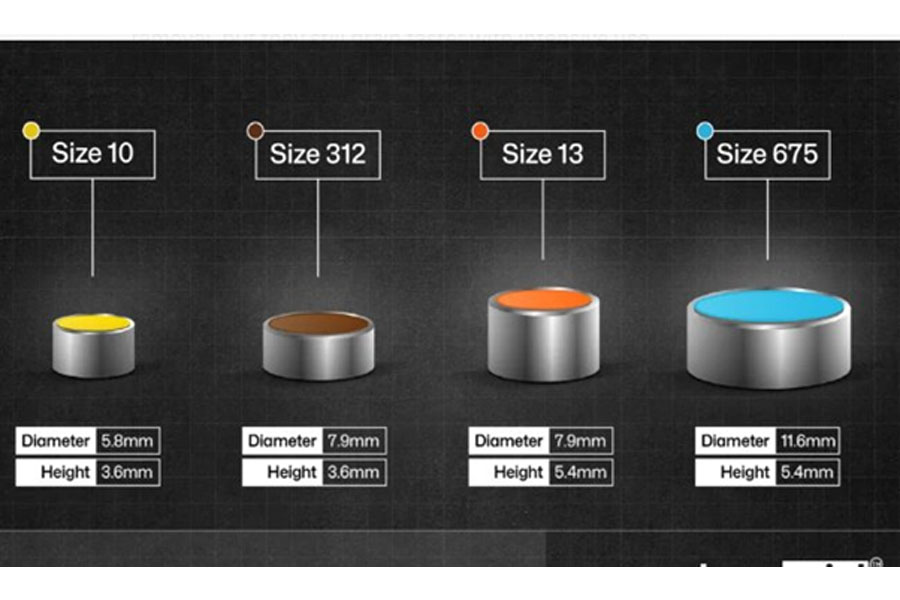
a) Disposable Zinc-Air Batteries:- These are the traditional button-style batteries activated by air. They come in standardized sizes with color codes:
- Size 10 (Yellow): Smallest, these last 3–7 days.
- Size 312 (Brown): Common in small hearing aids, last upto 3–10 days.
- Size 13 (Orange): Ideal for many behind-the-ear (BTE) and in-the-ear (ITE) models, these last 6–14 days.
- Size 675 (Blue): Largest, used in power devices, lasts between 9–20+ days.
Lifespan of hearing aid batteries varies based on daily wear time (typically between 12–16 hours), amplification needed, and features used. Once the tab is removed, the battery starts "breathing" oxygen to generate power.
b) Rechargeable Batteries:- Rechargeable batteries are lithium-ion, built into the hearing aid or charger case. They provide a full day battery backup (20–30+ hours) on one charge and can last anywhere between 3–6 years before replacement is needed. There is no daily tab for removal, but they still drain faster with intensive use.
Reasons Hearing Aid Batteries Drain Fast
- 1. Moisture and Humidity:- Too much sweat, high humidity, or condensation can clog vents, forcing the hearing aid to work harder resulting in shortened battery life. Moisture interacts with the zinc-air chemistry, accelerating discharge.
- 2. Heavy Feature Usage:- Regularly streaming audio via bluetooth, noise reduction, directional microphones, wind noise cancellation, or CROS/BiCROS systems for single-sided deafness consumes significantly more power. Bluetooth connectivity alone can increase battery drainage by 2–5 times.
- 3. Improper Activation and Handling:- Removing the tab too early or inserting the battery immediately without waiting prevents full activation. Use of dirty hands, debris in compartment, or poor contact can also drain battery power.
- 4. Storage Issues:- Exposure to extreme temperatures, leaving batteries in humid bathrooms, or storing hearing aids with the doors closed overnight cuts battery power.
- 5. Device-Related Problems:- Clogged microphones, wax buildup, faulty chargers, internal corrosion make hearing aids less efficient, draining their batteries faster. Hearing aids may drain quicker if it's the "master" for Bluetooth or if it provides more amplification to a poorer-hearing ear.
D-I-Y Tips to Make Your Hearing Aid Battery Last Long
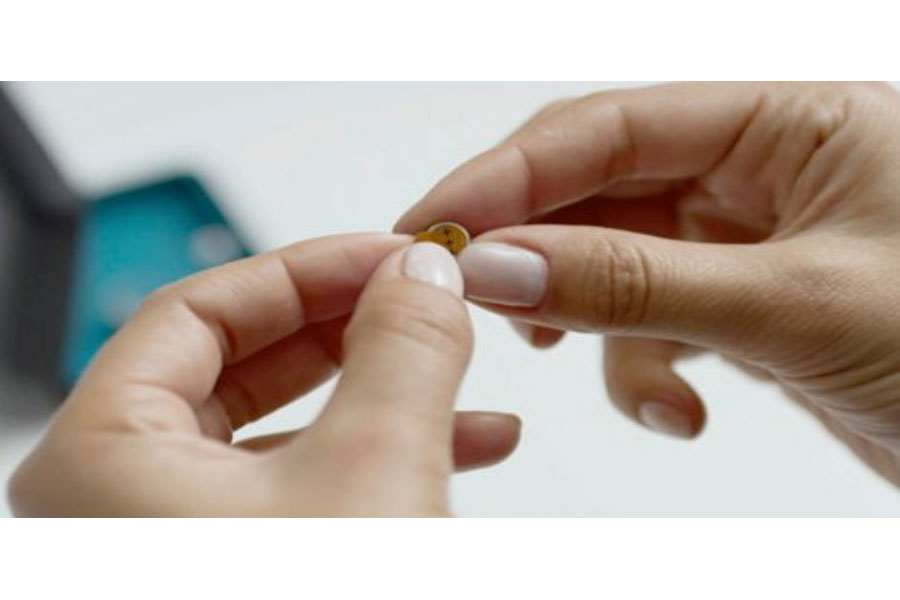
- 1. Follow "5-Minute Rule" for Disposable Battery - After peeling off the tab, wait for atleast 3 to 5 minutes before inserting the battery. This allows full oxygen activation, potentially adding 2 to 3 days of extra battery life. Never reapply the tab or open battery until ready to use. Store unopened packs in a cool, dry, room-temperature place.
- 2. Turn Off or Open Battery Door When Not in Use -mDuring night time, open the battery compartment door fully; this turns off the device and prevents unnecessary drainage. For rechargeable batteries, place them in the charger every night. If you are storing hearing aids for days, it’s better to remove disposable batteries entirely.
Keep Everything Dry and Clean
- i. Use dehumidifier or drying kit for your hearing aids overnight. A dehumidifying charger case helps combat moisture, the biggest battery killer.
- ii. Avoid bathrooms, kitchens, or humid areas for storage
- iii. Clean hearing aids daily with a soft brush, wipes to remove wax, debris, moisture from microphones and vents.
- iv. Always wash and dry your hands before changing batteries to avoid grease or dirt transfer.
4. Manage Your Power-Hungry Features Wisely
- i. Cut your bluetooth streaming use whenever possible. Better to use direct audio input or lower volume.
- ii. Adjust volume settings, as lower noise or directional modes if not needed saves battery life.
- iii. For rechargeable hearing aid batteries, better to take short "top-up" charges during the day if you opt for heavy streaming.
5. Proper Storage and Rotation
- i. Always store your batteries in original packaging at room temperature.
- ii. Always use oldest batteries first.
- iii. Always try to rotate your batteries between ears; if due to asymmetric hearing batteries drain faster, it helps save battery life.
6. Maintain Hearing Aid Itself
- I. Schedule professional cleanings and check-up of hearing aid at regular intervals; as clogs or faults can mimic battery issues.
- II. For rechargeable batteries, ensure charger works properly and follow manufacturer manual.
- III. Make it a point to check for corrosion or damage in the battery compartment at regular intervals.
7. Choose Quality and Consider Regular Upgrades
- I. Always buy reputable brand of hearing aid and their batteries from reputable clinic chains.
- II. Check for expiry dates of batteries. If batteries consistently underperform, consult your audiologist; who may recommend either a different setting, a model with better efficiency, or switch to rechargeables for convenience.
Seek Professional Help
If you've tried any or all of these DIY tips and yet your hearing aid batteries still drain fast; then the problem could be due to a faulty microphone, damaged door, or failing rechargeable cell. Then it’s better to visit your nearest hearing care clinic for diagnostics, like AudiZone. They can test the hearing aids, clean them, and adjust their settings; or recommend buying new hearing aids.
AudiZone Speech & Hearing Clinic operating in around 15 locations across India; can help you keep your ear safe and healthy and your hearing aid performing well.