Ear Fitness - Exercises to Protect and Prevent Hearing Loss
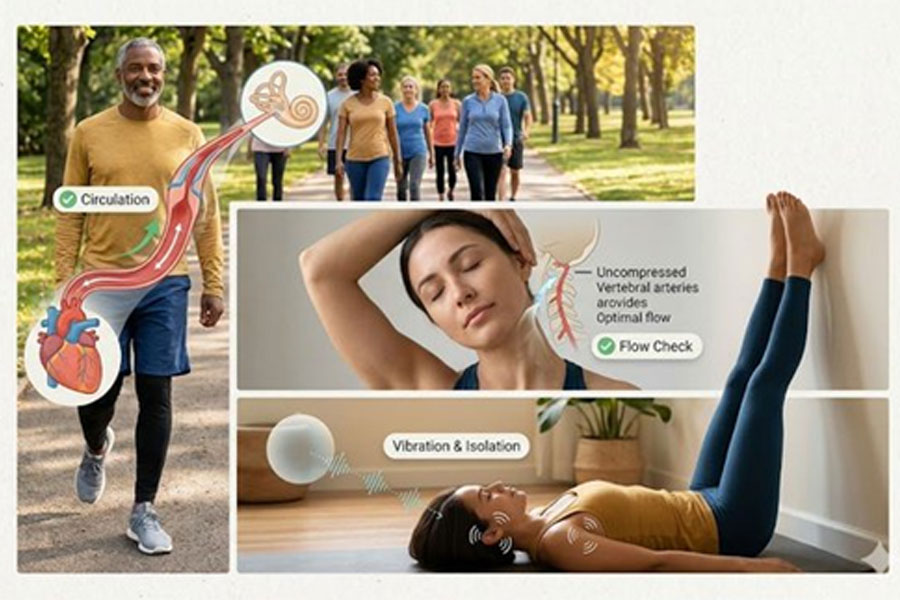
Exercises are a powerful tool that can help you in the prevention and management of hearing loss. Among various benefits of exercise that can help in ear fitness, some are like:
- They help improve circulation
- Reduce blood pressure and obesity risk
- Promote overall well-being
Regular exercises can help preserve and even improve your hearing capability. If you are suffering from tinnitus, exercise can help to relieve tinnitus and other hearing impairments. It's never too early or too late to take care of your ear. Regular exercise for hearing improvement can help maintain and enhance your hearing over time.
Key Factors Affecting Hearing
Several factors can affect hearing health of your ear, some can be controlled through lifestyle choices, while others are hereditary or age-related:
- Age - Presbycusis, or age-related hearing loss, is one of the most common forms of hearing impairment and is typically linked to the natural aging process of the auditory system.
- Genetics - Family history can play a significant role in your hearing condition, as certain genetic conditions can predispose individuals to early hearing loss.
- Noise Exposure - Chronic exposure to loud noises, such as at concerts or through heavy machinery, can damage the delicate structures of the inner ear, leading to noise-induced hearing loss.
- Health Conditions - Lifestyle related conditions like high blood pressure, diabetes, and obesity can contribute to your hearing loss by impairing blood circulation to the ear or causing damage to the auditory nerve.
- Medications - Medications like commonly prescribed drugs can cause hearing loss to your ear as a side effect. Referred to as Ototoxic drugs, they can cause hearing loss, hyperacusis, tinnitus, and a whole lot of balance problems.
5 Best Exercises to Improve Hearing Health

Brisk walking increases blood circulation to the delicate inner ear structures.
While any form of exercise can be beneficial for general health, some exercises may have specific advantages when it comes to improving your hearing health.
- Cardiovascular Exercises - Exercises like running, walking, cycling are considered excellent for enhancing blood circulation, which helps deliver vital nutrients and oxygen to the auditory system and prevent hearing loss in the ears.
- Strength Training - Resistance training, such as weightlifting, bodyweight, helps improve overall body strength and blood circulation, which can indirectly benefit hearing health.
- Yoga - Yoga exercise can help promote relaxation, reduce stress, and enhance blood circulation. Certain yoga poses can improve blood flow to the head and ears, making yoga for ear nerve weakness useful for boosting auditory health.
- Tai Chi - As a low-impact exercise, Tai Chi is particularly beneficial for improving body balance and blood circulation, which are both important for maintaining healthy hearing.
- Swimming - The rhythmic movement in swimming encourages deep breathing and boosts blood circulation, which boosts functioning of ear structures. Swimming also serves as an excellent exercise for ear tinnitus, helping to manage the condition through relaxation and circulation improvement.
Some Exercises
1. Moderate Cardiovascular Workouts
Cardio workout gets your heart pumping, which directly increases blood flow to your auditory system. The key here is moderation. High-intensity jarring (like sprinting on asphalt or heavy powerlifting) can sometimes cause pressure spikes in the inner ear. Smooth, rhythmic cardio is your safest bet. The best cardio choices are brisk walking or hiking, cycling (stationary or outdoor), and swimming.
2. Cervical and Neck Stretches (Greeva Chalan) - The 3-Step Neck Release
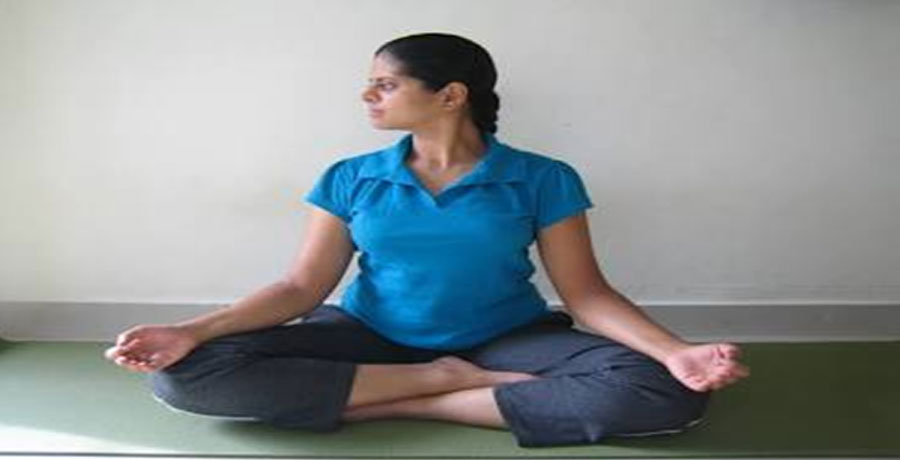
Gentle neck movements prevent arterial compression and improve blood flow upward.
- Flexion & Extension - Slowly tuck your chin down toward your chest. Hold for 3 seconds, then gently look up toward the ceiling. Repeat 5 times.
- Lateral Flexion - Keep your shoulders completely relaxed. Slowly lower your right ear toward your right shoulder. Return to center, then drop your left ear to your left shoulder. Repeat 5 times per side.
- Horizontal Rotation - Turn your head slowly to look over your right shoulder as far as comfortable. Return to the front, then look over your left shoulder. Repeat 5 times.
3. Restorative Yoga Inversions - "Legs-Up-the-Wall" (Viparita Karani)
- Put your hips as close to the wall as comfortable.
- Lie flat on your back and extend your legs straight up against the wall so your body forms an "L" shape.
- Rest your arms out to your sides, palms facing up.
- Close your eyes and breathe deeply for 5 to 10 minutes. This position relaxes the nervous system and lowers cortisol (stress hormones), which has been linked to a reduction in tinnitus (ringing in the ears) symptoms.
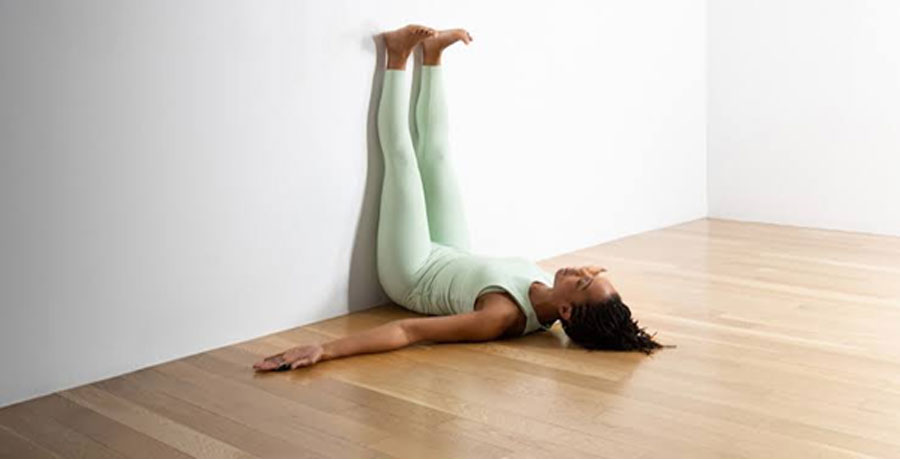
Legs-Up-the-Wall pose is a gentle inversion that naturally redirects blood flow to the head.
4. Auditory Brain Training: Isolation Exercise (Bhramari Pranayama)
- Sit comfortably with a straight spine.
- Close your eyes and use your thumbs to gently press your ear flaps (tragus) shut, blocking out external noise.
- Inhale deeply through your nose.
- As you exhale, keep your mouth closed and make a steady, low-pitched humming sound (like a buzzing bee).
- Feel the physical vibrations resonate through your jaw, skull, and ears. Repeat for 3 to 5 minutes. This internal vibration stimulates the auditory nerves and exercises the brain's processing pathways.

Sound isolation and breathing exercises strengthen the connection between the ears and the brain's auditory cortex.
Do's and Don'ts While Exercising
Do's
- Start Slowly - If you're new to exercise, begin with low-impact activities like walking or light yoga and gradually increase intensity.
- Protect Your Ears - If you're participating in activities with loud environments (e.g., cycling, running near traffic), use ear protection like earplugs to safeguard your hearing.
- Focus on Consistency - Aim for at least 30 minutes of moderate exercise most days of the week to reap the benefits for hearing health.
- Stay Hydrated - Proper hydration is key to maintaining blood circulation to your ear, so drink plenty of water before, during, and after exercise.
Don'ts
- Avoid Overexertion - Pushing your body too hard can lead to fatigue, which can affect your overall health, including your hearing.
- Don't Skip Warm-ups - Not warming up before intense exercise can lead to injury and affect circulation, which could negatively impact hearing health.
- Don't Ignore Pain - If you experience discomfort in your ears or head while exercising, stop and seek medical advice. Pain can be a sign of underlying issues that need attention.
While exercise can't reverse genetic conditions or completely shield you from trauma, there is a powerful connection between physical fitness and auditory preservation. Specifically, exercises that enhance blood circulation can protect the delicate structures inside your inner ear.
AudiZone Speech & Hearing Clinic with its pan India presence through 16 branches and a team of over 100 highly qualified audiologists has till date successfully treated over 1 lakh patients including kids and adults for hearing and speech related issues. AudiZone provides various types of branded hearing aids such as Signia, Phonak, Widex, ReSound, Starkey, and Oticon to patients based on their preference and requirement.