Decoding Hearing Health: Complete vs. Partial Deafness and Hearing Loss
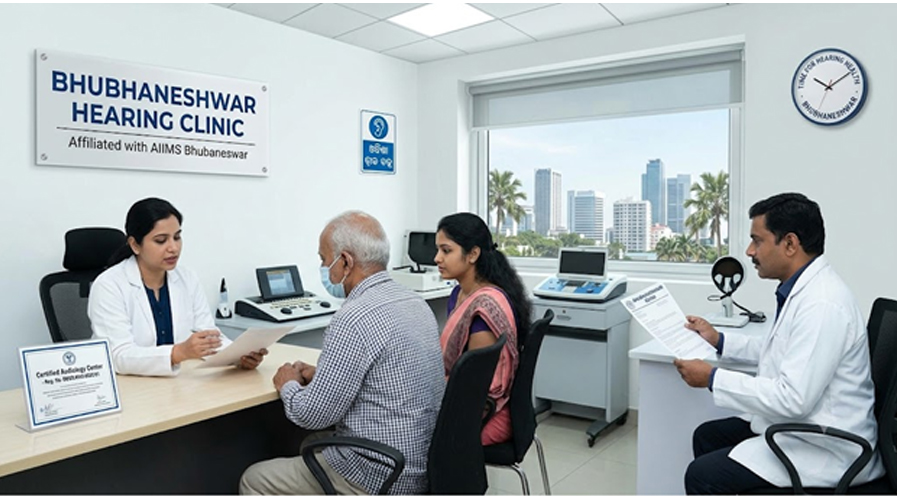
When navigating auditory health, you will come across terms like hearing loss, deafness, partial, and complete; these terms are often used interchangeably in casual conversation. However, in medical audiometry, clinical diagnostics, and cultural contexts, these terms carry precise, distinct meanings. Understanding these differences helps you to demystify your diagnostic reports, choose appropriate assistive technology, and foster better communication.
1. Defining the Core Concepts: Hearing Loss vs. Deafness
Before breaking down severity levels (partial vs. complete), it is essential to understand the clinical distinction between hearing loss and deafness.
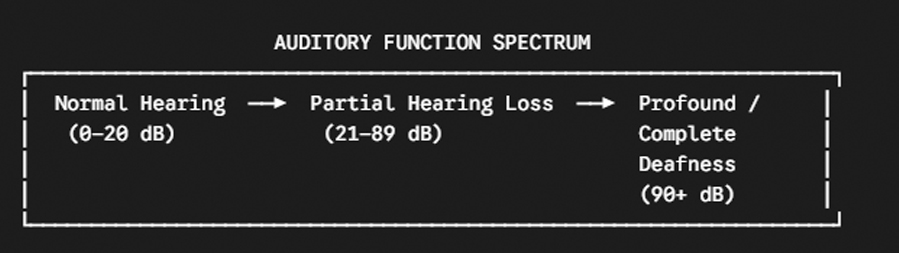
- Hearing Loss: A general medical term describing any reduction in the ability to perceive sound compared to standard normative thresholds. It spans a wide spectrum—from mild difficulty hearing soft whispers to an inability to hear loud spoken words.
- Deafness: Refers to a severe to profound impairment where spoken language cannot be understood through hearing alone, even with acoustic amplification (such as traditional hearing aids).
2. Breakdown of the Four (4) Categories
Partial Hearing Loss
- What It Means: The individual experiences a decreased sensitivity to sound across certain frequencies or volumes, but functional residual hearing remains.
- Audiometric Range: Mild (21–40 dB) to Moderate (41–70 dB) threshold shifts.
- Daily Experience: Speech may sound muffled or incomplete. High-frequency consonants (like s, f, th) are often missed first. Conversations in noisy background environments become challenging.
- Primary Interventions: Prescription hearing aids, assistive listening devices (ALDs), environmental modifications, and sound therapy.

Complete Hearing Loss
- What It Means: An extensive or total absence of sound detection capability in one or both ears across all frequency ranges.
- Audiometric Range: Severe (71–90 dB) to Profound (>90 dB) loss.
- Daily Experience: Sound is rarely audible without specialized electronic bypasses. The individual relies primarily on visual cues, captions, or tactile vibrations.
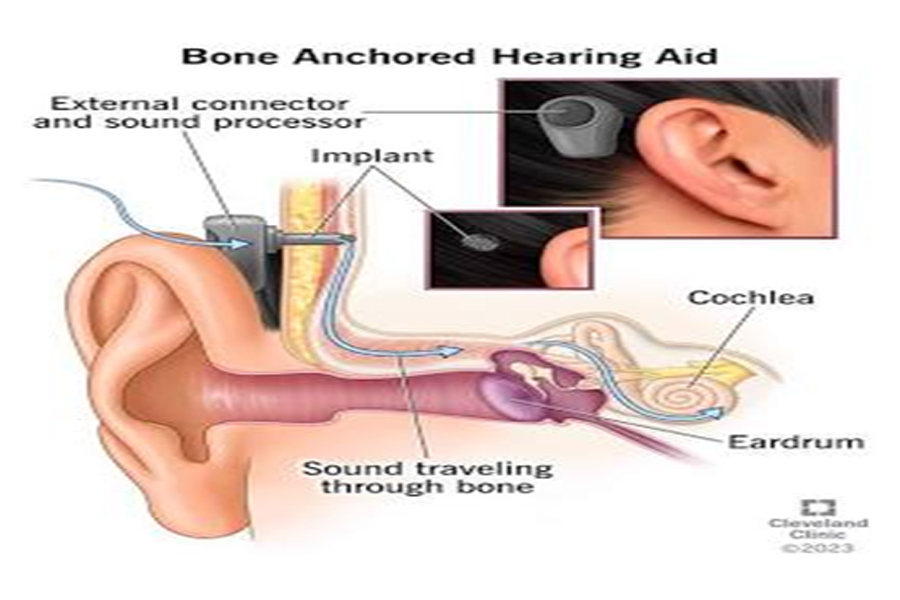
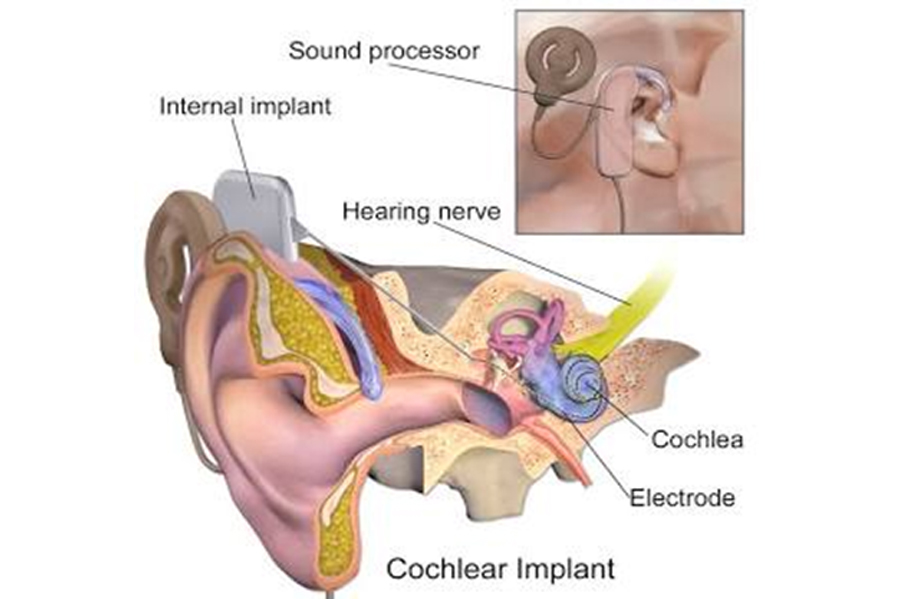
- Primary Interventions: Cochlear implants (which bypass damaged inner ear hair cells to stimulate the auditory nerve directly), middle ear implants, or bone-anchored hearing systems.
Partial Deafness
- What It Means: Often used clinically to describe severe hearing impairment where speech comprehension without visual assistance is significantly compromised, but the auditory system still detects limited low-frequency sounds or intense acoustic energy.
- Audiometric Range: Typically severe loss (71–90 dB).
- Daily Experience: Environmental cues (like a car horn or door slam) may be registered, but understanding conversational speech purely by ear is unreliable.
- Primary Interventions: Advanced hearing aids with strong power output, speechreading (lip-reading), and hybrid cochlear implants.
Complete (Total) Deafness
- What It Means: The total absence of sound perception. Known clinically as anacusis, no acoustic signal—regardless of volume or frequency—can be perceived or processed by the ear.
- Audiometric Range: No measurable response on pure-tone audiometry (>120 dB threshold).
- Daily Experience: Communication relies on visual or tactile modes such as Sign Language (e.g., ISL, ASL), lip-reading, and written text.
- Primary Interventions: Auditory Brainstem Implants (ABIs) in specific neural conditions, visual communication tools, and Sign Language support.
3. Comparative Summary Table
| Feature | Partial Hearing Loss | Complete Hearing Loss | Partial Deafness | Complete Deafness (Anacusis) |
|---|---|---|---|---|
| Audiometric Threshold | 21–70 dB (Mild–Moderate) | 71–90+ dB (Severe–Profound) | 71–90 dB (Severe) | >120 dB (No detection) |
| Speech Clarity | Distorted/Muffled | Speech uninterpretable acoustically | Incomplete speech recognition | Zero acoustic speech detection |
| Primary Mechanism | Hair cell wear, blockage, infection | Nerve damage, severe hair cell loss | Cochlear degeneration, inner ear trauma | Congenital aplasia, nerve transection, severe ossification |
| Main Management | Standard Hearing Aids | Cochlear Implants / Power Aids | High-power Aids / Implants | Sign Language, Tactile Aids, ABIs |
4. Causes and Medical Classification
Underlying causes generally fall into three structural types:
- Conductive Hearing Loss: Occurs when sound waves cannot pass effectively through the outer or middle ear (e.g., earwax impaction, fluid build-up, fluid from middle ear infections, or perforated eardrum). These are often partial and medically treatable.
- Sensorineural Hearing Loss (SNHL): Caused by damage to the delicate hair cells in the cochlea or the auditory nerve pathways. Common causes include age-related decline (presbycusis), loud noise exposure, ototoxic medications, or genetic factors. SNHL can range from partial loss to complete deafness and is usually permanent.
- Mixed Hearing Loss: A combination of sensorineural and conductive components.
5. Medical Diagnosis vs. Cultural Identity: A Capital 'D' Note
It is important to note the distinction between the medical condition and cultural identity:
- deaf (lowercase 'd'): Refers strictly to the audiological condition of having severe or complete lack of hearing.
- Deaf (uppercase 'D'): Refers to members of the Deaf community who share a culture, history, and primary language centered around Sign Language (such as Sign Language communities worldwide). Many in the Deaf community view Deafness as a linguistic diversity rather than a medical impairment.
6. What to Do If You Notice Changes in Hearing
If you or a family member experience signs of hearing changes—such as needing elevated volume levels, missing spoken words, or experiencing persistent ringing (tinnitus)—consider taking these steps:
- Consult an ENT Specialist: To rule out treatable conductive issues like earwax impaction or middle ear fluid.
- Schedule a Pure-Tone & Speech Audiometry Test: A certified audiologist conducts tests to map your specific decibel and frequency hearing thresholds.
- Explore Tailored Solutions: Based on the degree of loss (partial vs. complete), solutions range from prescription hearing aids and sound therapy to cochlear evaluation.
Treatment
1. Treatment for Partial Hearing Loss
When partial hearing loss occurs, functional hearing remains, and interventions focus on amplifying sound, clearing mechanical blockages, or preserving existing auditory function.
- Medical & Surgical Interventions (Conductive Loss)
- Earwax Removal or Fluid Drainage: Simple procedures or medications clear blockages caused by wax, fluid buildup, or infections.
- Surgical Repair: Tympanoplasty (eardrum repair) or stapedectomy (replacing tiny middle ear bones) can restore mechanical sound transmission.
- Acoustic Amplification (Sensorineural / Permanent Loss)
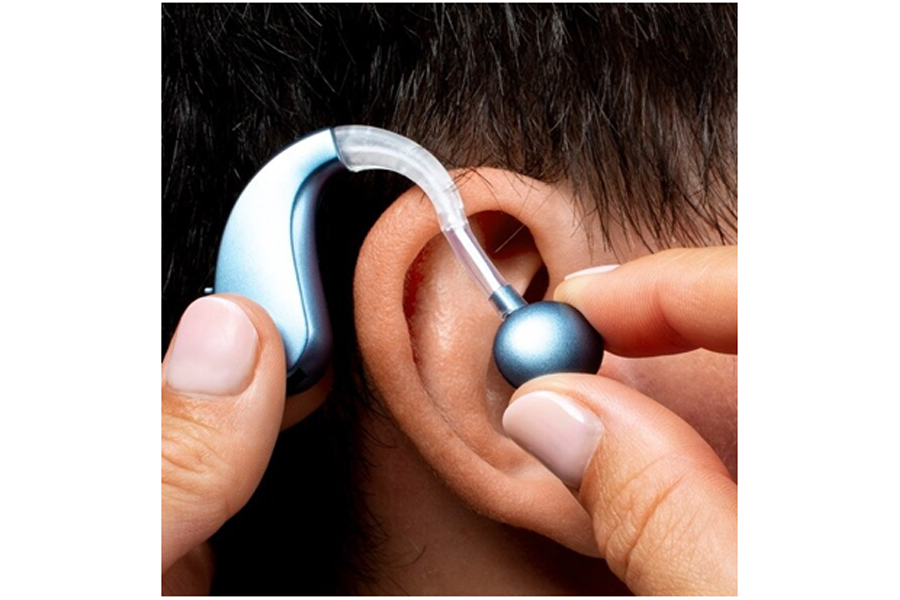
- Hearing Aids: Digital behind-the-ear (BTE), in-the-ear (ITE), or receiver-in-canal (RIC) hearing aids amplify specific frequencies to make speech clear.
- Bone Conduction Devices: Useful if the outer or middle ear is damaged or chronically infected; sound vibrates directly through the skull bone to the inner ear.
2. Partial Deafness & Complete Hearing Loss Treatment
When hearing loss reaches a severe-to-profound level, standard hearing aids are often insufficient because inner ear hair cells can no longer process acoustic amplification effectively.
- Cochlear Implants (CIs)
- How they work: Surgically implanted devices that bypass damaged hair cells and directly stimulate the auditory nerve with electrical signals.
- Indication: Primarily used for severe-to-profound sensorineural hearing loss or partial deafness where traditional hearing aids offer minimal benefit.
- Hybrid Cochlear Implants
- Combine acoustic amplification (for residual low-frequency hearing) with electrical stimulation (for missing high-frequency hearing).
- Middle Ear Implants (MEI)
- Mechanical implants attached to the middle ear bones or the oval window to amplify sound directly for moderate-to-severe loss.
3. Options for Complete Deafness (Total Anacusis)
If there is a total absence of sound detection—such as anacusis or non-functional auditory nerves—treatments shift from standard acoustic devices to advanced surgical solutions or non-auditory communication tools.
- Auditory Brainstem Implants (ABI)
- How they work: Bypass both the inner ear and the auditory nerve to stimulate the brainstem directly.
- Indication: Used when the auditory nerve is missing, damaged, or severed (e.g., in conditions like Neurofibromatosis Type 2).
- Cochlear Implants for Single-Sided Deafness (SSD)
- Used when one ear is completely deaf and the other ear has normal hearing to restore spatial awareness and directional hearing.
- Non-Surgical / Communication Modes
- Speech-reading (Lip-Reading) & Sign Language: Primary visual communication modes.
- Tactile & Visual Assistive Technology: Closed captioning, flashing alert systems, and haptic (vibrational) feedback devices.
4. Key Management Overview
| Condition | Primary Cause Type | Standard First-Line Treatment | Advanced / Surgical Treatment |
|---|---|---|---|
| Partial Hearing Loss | Conductive or Mild SNHL | Earwax clearing, meds, standard Hearing Aids | Minor eardrum/ bone surgery |
| Complete Hearing Loss | Moderate/ Profound SNHL |
High-power Hearing Aids | Cochlear Implants, Bone-Anchored Aids |
| Partial Deafness | Severe SNHL / Inner Ear | High-output Aids, Speechreading | Hybrid Cochlear Implants |
| Complete Deafness (Anacusis) | Nerve damage, Total Aplasia | Sign Language, Tactile Aids | Auditory Brainstem Implants (ABI) |
Note that a sudden, unexpected hearing loss (especially in one ear) is considered a medical emergency. Immediate treatment with steroids within 24 to 72 hours can significantly increase the chances of recovering your hearing ability.
AudiZone Speech & Hearing Clinic with its pan India presence through its 16 branches and a team of over 100 highly qualified audiologists has till date successfully treated over 1 lakhs patient’s including kids and adults for hearing and speech related issues. AudiZone provides various types of branded hearing aids such as Signia, Phonak, Widex, ReSound, Starkey, and Oticon to patients based on their preference and requirement.