
Cochlear Implants
- Home
- Cochlear Implants
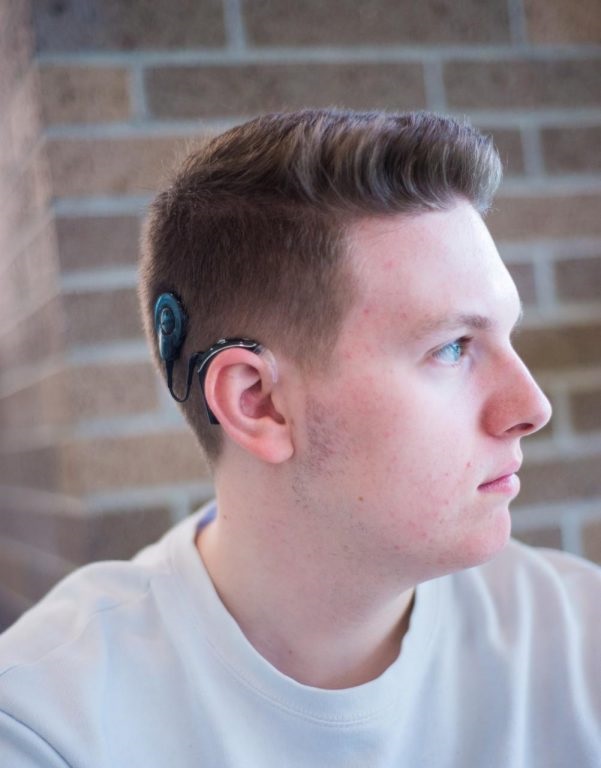
”If there is no residual hearing left or total deafness is there, a cochlear implant can help you to get back a sense of sound. ”
it can assist you with all sorts of sounds. Most of the people with severe to profound hearing loss can understand speech conversations or over the phone reliably than they did with the hearing aid. It can frequently help you identify sounds around you, comprising telephones, doorbells, & alarms. Many people also may pick up on speech in noisy environments better than they did with listening aids, or even they can enjoy music again.
Cochlear implants are designed for children & adults with sensori neural hearing loss. This kind of hearing loss typically includes damage to tiny hair cells in the part of the inner ear called the cochlea. These hair cells pick up the vibrations of sounds &send them to the brain through the auditory nerve. When they are damaged, sound cannot reach the auditory nerve. A cochlear implant bypasses the damaged hair cells & sends signals to the hearing nerve directly.
According to the Audiological Society, these devices are suitable for children and adults who have:
- Resolved to profound hearing loss in the both ears
- Hearing loss after they have already learned speech & language
- Inadequate help from hearing aids
- No medical difficulties that would make surgery risky
- A strong wish to be part of the hearing world
- A good knowledge of what the device will — and would not — do for them
Our Services We Offer
HEARING PROTECTION
Hearing is one of the important sense organ out of the five senses. Once Hellen Keller was asked what would you prefer to be
HEARING AIDS
Hearing Aid in simple terms is an amplifying device. Hearing aids are the trusted companions for the deaf. Perhaps you have thought.
SPEECH THERAPY
The Department of Speech Therapy at AUDIZONE , is a center of excellence in the study & treatment of speech and language problems.
DIAGNOSTIC CLINIC
We are fully equipped with all the diagnostic tests like , Pure tone audiometry, Impedance Audiometry, BERA, ASSA,OAE etc.
TINNITUS CLINIC
Are you suffering from a continuous ringing or buzzing sound in your ears, if yes, then probably you are suffering from tinnitus.
Why Choose Us
AUDIZONE consists of the expert doctors in their specialized area and are well experienced. Each year, AUDIZONE doctors diagnose & treat various people for various kinds of hearing abnormalities.AUDIZONE hearing experts continuously work with doctors trained in brain & nervous system tumor treatment (neuro-oncologists),
Frequently Asked Questions
A small microphone is built into a hearing aid, and this tiny gadget picks up ambient sound and transforms it to electrical energy. An electrical signal is sent to a miniature speaker called a receiver by modifying and altering circuits in the amplifier. The sound is sent to the ear by this little structure. The majority of modern hearing aid technology enhances required frequencies and reduces noise for a different type of hearing loss.
Ready to Book Your Appointment?
Contact us today to schedule your visit and take the first step toward a healthier smile.