Checklist For First-Time Hearing Aid Buyers

Hearing loss doesn't just affect how you communicate with the world; it impacts your relationships, your confidence in social settings, and your overall quality of life. When you realize you need hearing aids is a big step in accepting you are facing a problem. But to figure out where to start looking for a hearing aid can quickly feel overwhelming. Between confusing clinical jargon, vastly different device styles, and unpredictable price tags, buying your first set of hearing aids often feels more like buying a car than prioritizing your health. You don’t have to go into your evaluation blind.
In order to make sure that you get the best and maximum out of your investment in hearing aids, it is better for you that you prepare a buyer’s checklist, and go for it with the help of it. Whether you're scheduling your very first audiogram or comparing top models, this buyer's checklist and question guide can help you gain the confidence to ask the right kind of questions, avoid costly mistakes like overpaying for hearing aid features you don't need, as well as find the perfectly fitting hearing aid as per your lifestyle.
1st-Time Hearing Aid Buyer Checklist
Phase 1- Pre-Appointment & Medical Evaluation
- Schedule a Comprehensive Hearing Exam:- Ensure you receive a full diagnostic evaluation by a licensed audiologist or hearing care professional—not just a basic screening.
- Track Your Problem Situations:- Note specific environments where you struggle (e.g., crowded restaurants, watching TV, phone calls, or group meetings) to help tailor device programming.
- Check Insurance & Financial Options:- Verify if your private insurance, Medicare Advantage, or employer policy offers hearing aid coverage, tax credits, or flexible payment plans.
- Beware of "Amplifiers": Ensure you are evaluating true prescription or OTC hearing aids, not Personal Sound Amplification Products (PSAPs). Amplifiers simply turn up all noise equally, which can further damage your hearing.
Phase 2- Form Factor & Feature Selection
1. Choose the Right Style:-
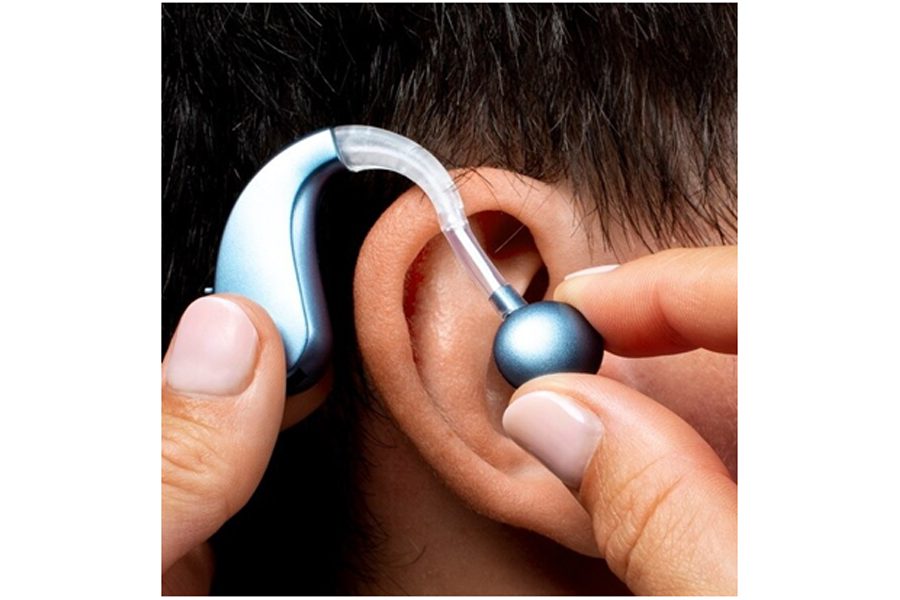
- Receiver-in-Canal (RIC) / Behind-the-Ear (BTE): Versatile, comfortable, and discreet. Best for varying levels of loss.
- In-the-Ear (ITE) / Completely-in-Canal (CIC): Custom-molded for your ear canal. Excellent for people wearing glasses, though requires good finger dexterity.
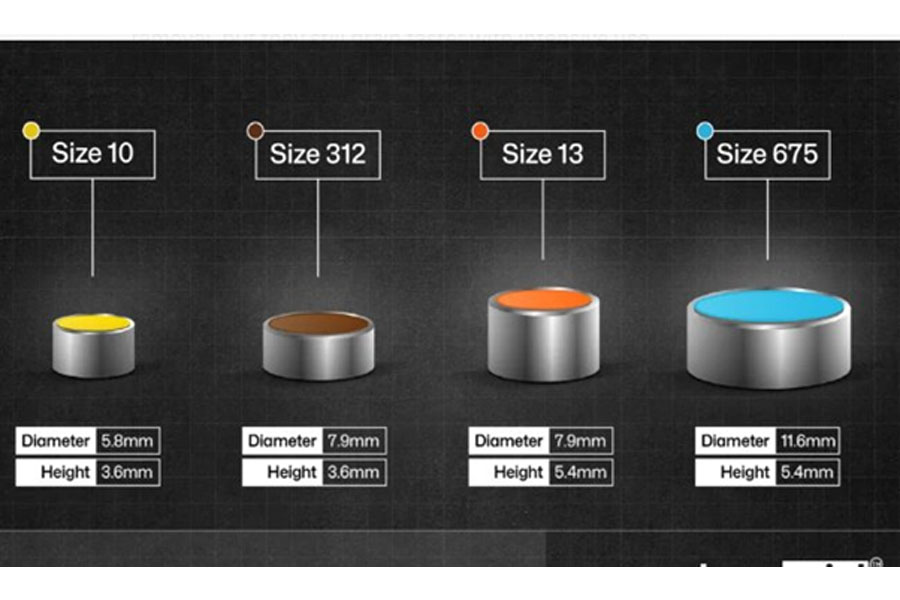
2. Select Power Preferences:- Decide between rechargeable cases (convenient for everyday use) or disposable batteries (preferred if you travel frequently or camp off-grid).
3. Identify Key Features:- Determine if you need direct Bluetooth streaming (for iOS/Android), directional microphones (for background noise reduction), or a Telecoil (for public venue audio loops).
Phase 3- Financial & Aftercare Verification
a. About Your Diagnostic Needs :-
- "Can you explain my audiogram results and what type/degree of hearing loss I have?"
- "Are you sure both my ears are equally affected, and do I need really two hearing aid device or can manage with one?"
- "Why do I sometimes hear people speaking, but struggle to understand the actual words?"
b. About Your Device Selection & Compatibility :-
- "Currently how many top-of-the-line hearing aid manufacturers are you working with, as a supplier?
- For how long you are a supplier of a hearing aid? Are you also a manufacturer of hearing aids? Why are you advocating this particular hearing aid model for me?"
- "Can this hearing aid model you are advocating for me, stream phone calls and audio directly from my specific smartphone (Android or iPhone)?"
- "Will I have to experience any kind of trouble while handling, cleaning, or charging these hearing aid devices?"
c. About Fitting, Performance & Technology :-
- "Do you also carry out Real-Ear Measurement (REM) or probe-microphone testing to verify the fitting?" (Note:- REM Standard is considered the clinical gold standard for ensuring that your hearing aid device amplifies the exact audio frequencies so as to match your ear shape as per the given prescription).
- "How good is this particular hearing aid device in handling a background noise in any kind of noisy environments, like in a shopping mall, cinema hall or restaurants?"
- "If I am ever to experience tinnitus or ringing in my ears, does this hearing aid device also include built-in features for tinnitus masking?"
d. About Warranties, Support & Costs :-
- "Can you tell me, what is the total itemized cost for this hearing aid, and what type of specific follow-up appointments or services (if any) are included?"
- "What will happen if I ever lose or damage hearing aids within the warranty period?"
- "Do you offer any hearing aid device on loan if my hearing aid has to be left with you for any kind of service?"
4. What are your service charges for a hearing aid device after the warranty period is over?
If you follow the check list, there is a good chance that you will get the most affordable and suitably best hearing aid as per your requirement from a certified hearing aid clinic.
AudiZone Speech & Hearing Clinic with its pan India presence through 16 branches and a team of over 100 highly qualified audiologists has till date successfully treated over 1 lakhs patient’s including kids and adults for hearing and speech related issues. AudiZone provides various types of branded hearing aids such as Signia, Phonak, Widex, ReSound, Starkey, and Oticon to patients based on their preference and requirement.