Cardiovascular Health and Hearing Loss Connection
When evaluating long-term health, your heart and ears are rarely discussed together. However, medical research increasingly highlights that there is a strong link between cardiovascular health and hearing sensitivity. The inner ear is exceptionally sensitive to changes in circulation. Because of this, unexplained hearing changes—particularly in lower frequencies—can sometimes act as an early indicator of underlying cardiovascular issues.
The Vascular Connection: Why the Inner Ear Depends on the Heart
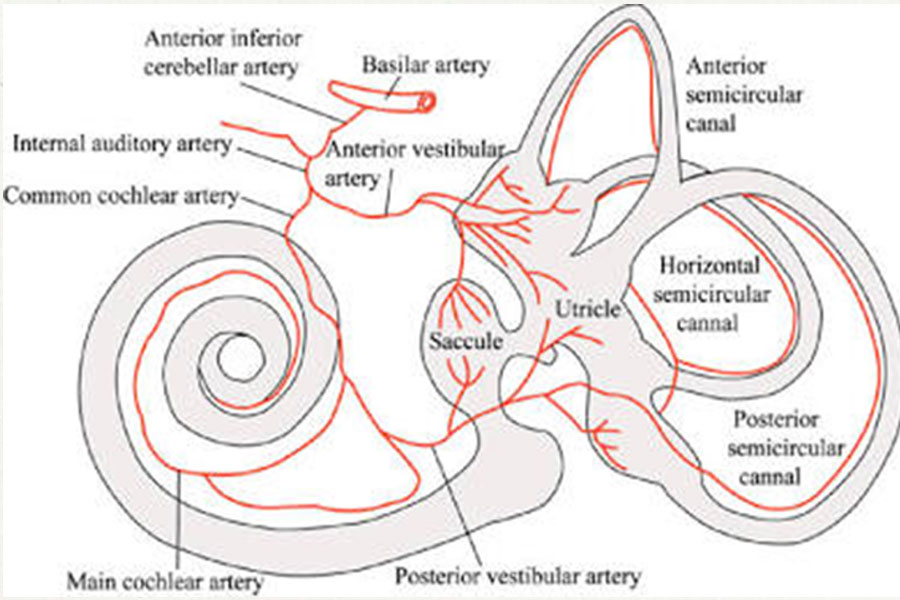
To understand why heart health affects hearing, it helps to look at the anatomy of the inner ear:
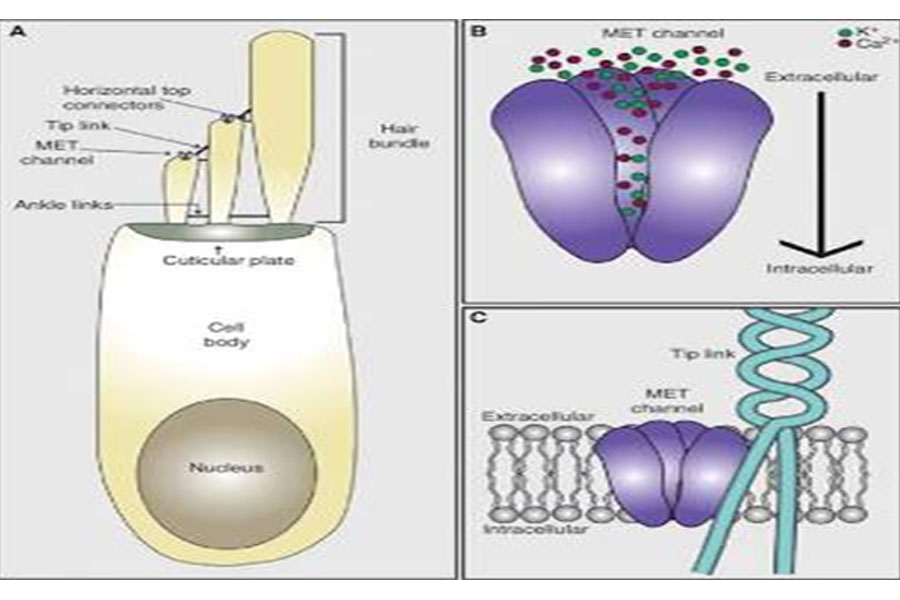
- High Metabolic Demand: The cochlea (the auditory portion of the inner ear) relies on delicate hair cells (stereocilia) to convert sound vibrations into electrical signals for the brain. These cells require a continuous supply of oxygen and nutrients to survive.
- Single-Source Blood Supply: Unlike many other organs in the human body that have collateral blood vessels (backup routes for blood supply), the inner ear relies almost entirely on a single main artery—the internal auditory artery (labyrinthine artery).
- Extreme Microvascular Vulnerability: The capillaries serving the cochlea are among the smallest in the human body. Because they are so tiny, they are often among the first vessels damaged by systemic circulatory problems like high blood pressure or plaque buildup.
When blood flow is restricted, cochlear hair cells become oxygen-deprived. Unlike skin or liver cells, human inner-ear hair cells can't regenerate once damaged, leading to permanent sensorineural hearing loss or SNHL.
Key Cardiovascular Conditions That Impact Hearing
| Condition | Mechanism of Damage | Hearing Impact |
|---|---|---|
| Atherosclerosis (Artery Stiffening) | Fatty deposits narrow blood vessels, restricting overall blood flow to the micro-vessels of the ear. | Gradual, bilateral sensorineural hearing loss (often starting in low frequencies). |
| Hypertension (High Blood Pressure) | High pressure damages the delicate endothelial lining of tiny ear capillaries, causing micro-hemorrhages or localized tissue damage. | Accelerated age-related hearing loss; tinnitus (ringing in the ears). |
| Pulsatile Tinnitus | Turbulent blood flow in narrowed arteries or veins near the ear creates audible noise. | A rhythmic thumping or mechanical WHOOSHing sound synced to your heartbeat. |
| Heart Failure / Low Output | The heart struggles to pump adequate blood volume throughout the body, leaving peripheral systems under-perfused. | Reduced auditory sensitivity and difficulty understanding speech in noise. |
Can Hearing Loss Predict Heart Disease?
Research suggests that low-frequency hearing loss (difficulty in hearing low-pitched sounds like bass tones or heavy thunder) may serve as a predictor of cardiovascular events in your body. Since the blood vessels supplying the low-frequency region of the cochlea are particularly vulnerable to subtle circulatory shifts, changes there often show up before overt cardiac symptoms manifest.
Proactive Steps for Dual Protection
The good news is that strategies to protect your heart health also helps safeguard your hearing capability:
- Manage Systemic Numbers: Consistently monitor and control blood pressure, blood sugar, and cholesterol levels with your physician.
- Adopt a Heart-Healthy Diet: Focus on anti-inflammatory, antioxidant-rich foods (such as leafy greens, berries, and omega-3 fatty acids) to support capillary strength.
- Maintain Cardiovascular Exercise: Continuous aerobic activity (walking, swimming, cycling) helps promote healthy blood flow to every organ, including the inner ear.
- Schedule Annual Screenings: If you have been recently diagnosed with a cardiovascular condition, don't forget to include a baseline audiogram in your annual healthcare routine.
Warning Signs: Non-Traditional Auditory Symptoms
Because the inner ear relies heavily on microvascular blood supply, cardiovascular changes often reveal themselves through specific, non-traditional auditory symptoms. The primary warning signs include the following:
1. Low-Frequency Sound Loss (Reverse-Slope Profile)
Most age-related or noise-induced hearing loss starts at high frequencies. Heart-related hearing issues, however, frequently affect low frequencies first.
- What it sounds like: Deep voices sound muffled, thunder lacks rumble, or lower notes in music disappear.
- The vascular reason: The apex of the cochlea (which processes low pitches) is serviced by the most distant capillary endings. When systemic circulation decreases, this region is often damaged first.
2. Pulsatile Tinnitus (Hearing Your Heartbeat)
While regular tinnitus causes a constant ringing or buzzing, pulsatile tinnitus produces a rhythmic sound that pulses in direct sync with your heart rate.
- What it sounds like: A persistent whooshing, thumping, or pumping sound inside one or both ears.
- The vascular reason: This is the literal sound of turbulent blood flow moving through narrowed or hardened arteries (atherosclerosis) or elevated blood pressure near the temporal bone.
3. Sudden, Single-Sided Hearing Drops
Sudden Sensorineural Hearing Loss (SSNHL) is a rapid drop in your hearing ability—either all at once or over a couple of days—typically in just one ear.
- What it sounds like: A sudden "popping" sensation followed by immediate muffled sound, full blockage, or near-total deafness in one ear.
- The vascular reason: SSNHL is frequently triggered by a micro-vascular event, essentially a miniature stroke or localized blood clot blocking the tiny internal auditory artery.
4. Hearing Fluctuations Linked to Physical Exertion
- What it feels like: Your ears suddenly start feeling "full," clogged, or muffled during or immediately after exercise, climbing stairs, or periods of high stress.
- The vascular reason: Temporary spikes in blood pressure or poor vascular compliance can alter your inner-ear fluid pressure (endolymph) or temporarily starve cochlear cells of oxygen under high metabolic demand.
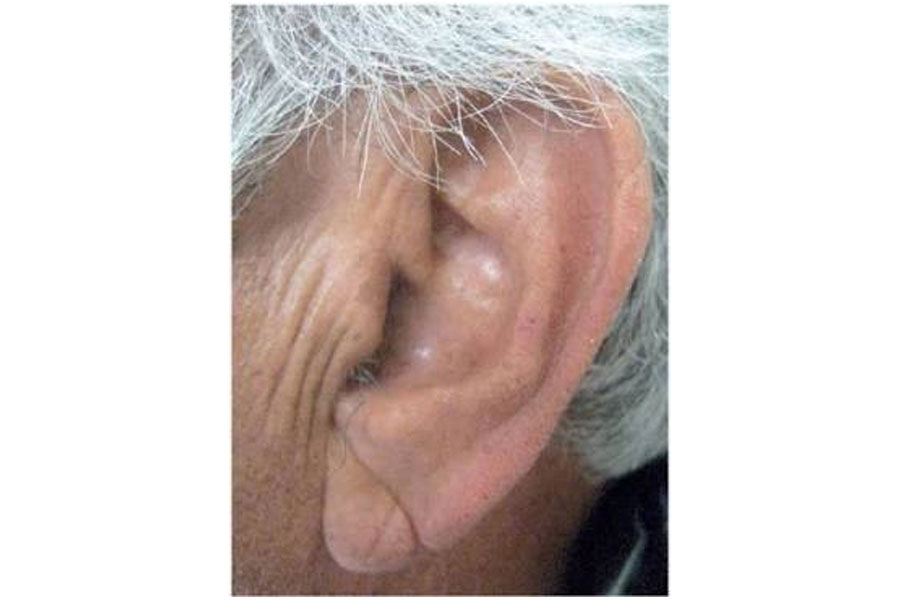
5. Frank's Sign (An External Visual Cue)
- What to look for: A distinct diagonal crease running across the earlobe (at roughly a 45-degree angle from the tragus to the outer edge of the lobe).
- The vascular reason: Though not an auditory sound symptom, clinicians frequently note this crease because the loss of elastic fibers and microvascular collapse in the earlobe often mirrors similar blood vessel degradation around the heart.
When to Seek Immediate Care
Emergency Care
If you experience sudden hearing loss, severe dizziness, or ear pain accompanied by chest pressure, shortness of breath, or numbness, go to an emergency room immediately.
Audiologist Visit
If you notice persistent low-pitch muffled sound, rhythmic pulsatile tinnitus, or gradual changes alongside known high blood pressure or heart conditions, schedule a visit to an audiologist for a comprehensive pure-tone audiogram.
Conclusion
The best way to prevent a deterioration in your cardiovascular health is to carefully look for signs of disruption in your hearing ability. Whenever you experience such a situation, it is best advised to seek out an audiologist and get an audiogram done. An audiogram will help you not only know about your ear health but also help take preventive measures before your cardiovascular health worsens.
About AudiZone Speech & Hearing Clinic: With its pan-India presence through 16 branches and a team of over 100 highly qualified audiologists, AudiZone has successfully treated over 1 lakh patients including kids and adults for hearing and speech-related issues. AudiZone provides various types of branded hearing aids such as Signia, Phonak, Widex, ReSound, Starkey, and Oticon based on patient preference and requirement.